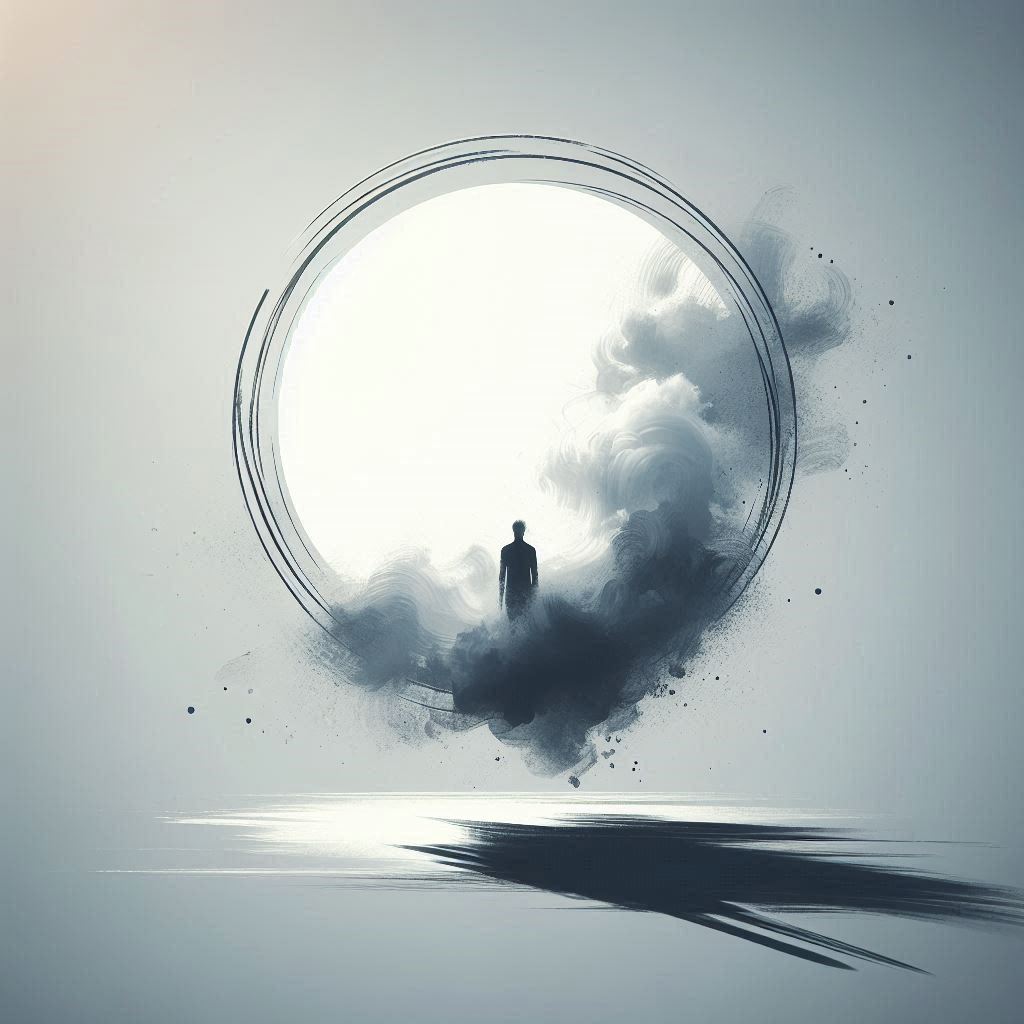
Emotional Surrealism
The art movement nobody officially invited, yet it keeps showing up anyway, dripping feelings on the carpet and rearranging the furniture while everyone pretends this is normal.
Here is the truth people dodge. Emotional surrealism is not about melting clocks, floating eyeballs, or dream logic for the sake of being strange. That stuff is just the costume. The cheap trick. The real thing is quieter and more embarrassing. It is about feelings that refuse to behave. Feelings that do not fit the approved shapes. Feelings that leak through the cracks of realism because realism cannot hold them without lying.
Emotional surrealism exists because language fails. Regular realism demands order. Cause and effect. Before and after. Emotional surrealism says no, that is not how grief works, not how love behaves, not how fear enters a room. Fear does not knock. Love does not arrive on time. Memory does not follow narrative structure. They arrive sideways, wearing disguises, speaking in symbols because that is the only way they can be honest.
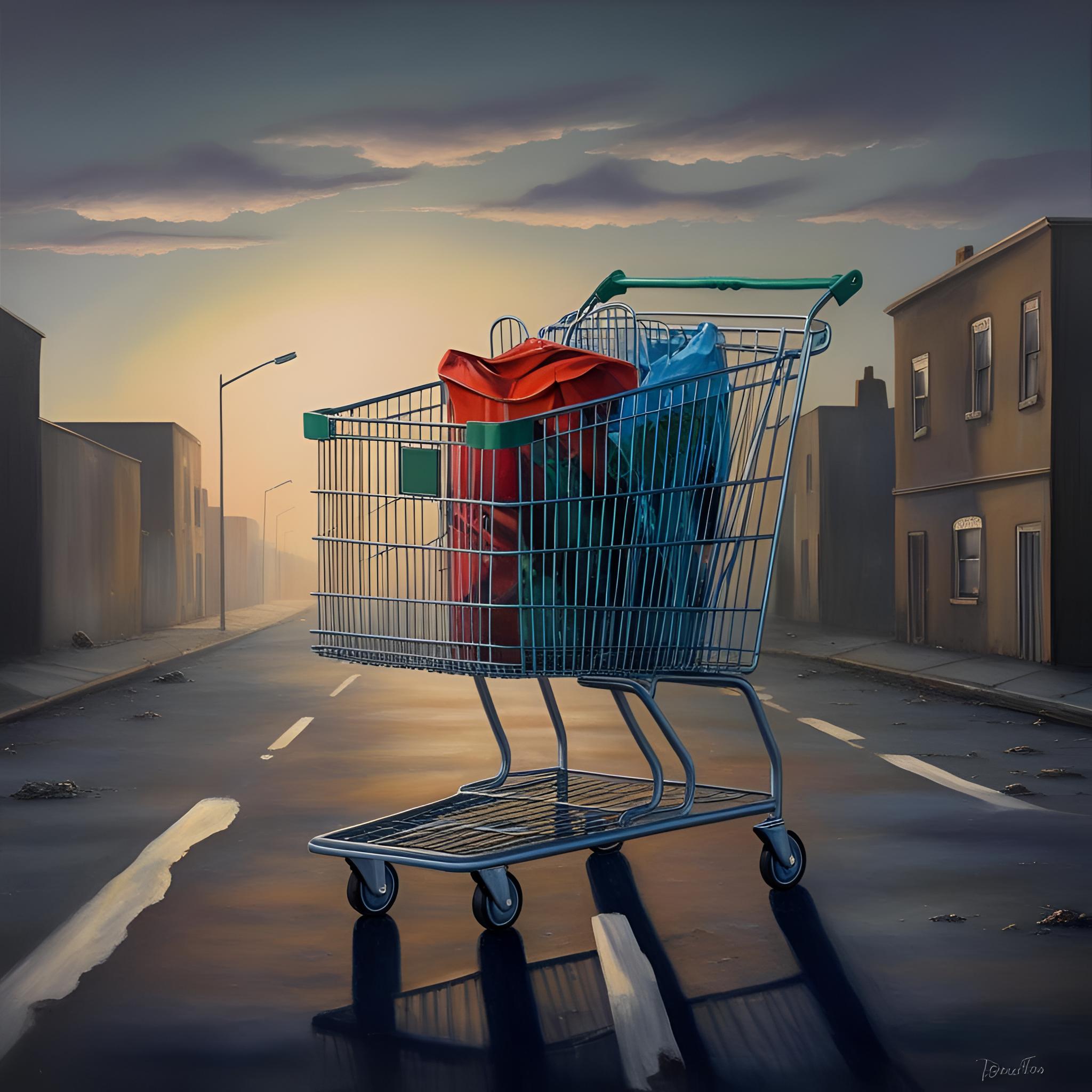
This is why emotional surrealism feels unsettling. It is not bizarre for fun. It is accurate in a way that makes people uncomfortable. It depicts the inner world without flattening it into something polite. It shows emotions as environments rather than reactions. A room can be sad. A street can remember. A body can be occupied by something unnamed and heavy that sits between the ribs like an unpaid debt.
People like to say surrealism is about dreams. That is lazy. Emotional surrealism is about waking up and realising the dream never left. It is about brushing your teeth while carrying a dead conversation in your mouth. It is about attending meetings with a version of yourself that never grew up. It is about smiling while your interior landscape is flooded, burning, or frozen in a loop from ten years ago.
Traditional realism asks, “What happened?”
Emotional surrealism asks, “What did it feel like after, when nothing dramatic was happening anymore?”
That is the difference. That is the wound.
Emotional surrealism does not respect time. It folds it. Collapses it. Past and present coexist like incompatible roommates. A character can be forty and eight at the same time. A single sentence can contain childhood, desire, regret, and hunger without asking permission. This is not confusion. This is precision. Trauma does not archive itself neatly. Love does not age linearly. Certain moments ferment inside us. They mature, rot, sweeten, or sharpen long after the event has ended.
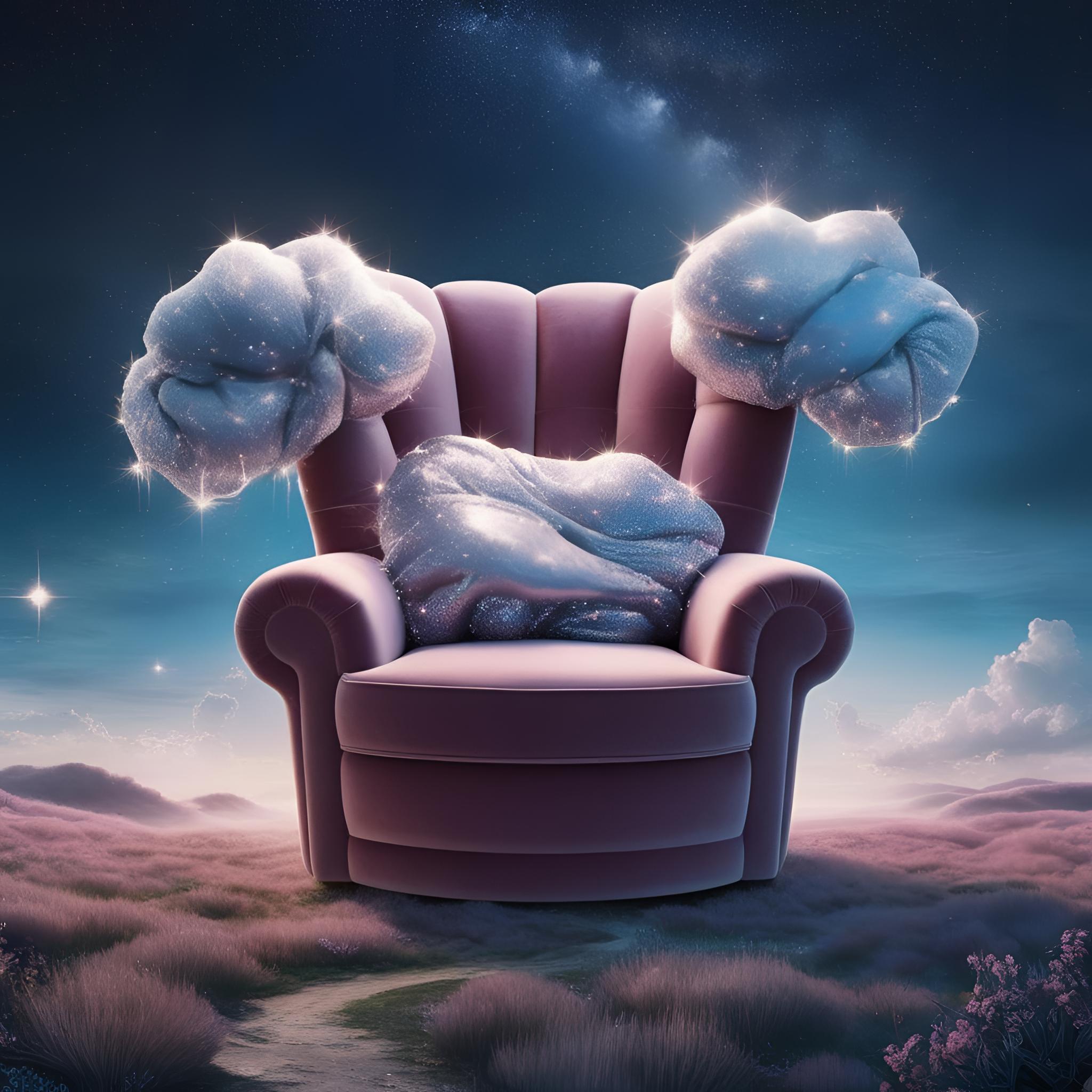
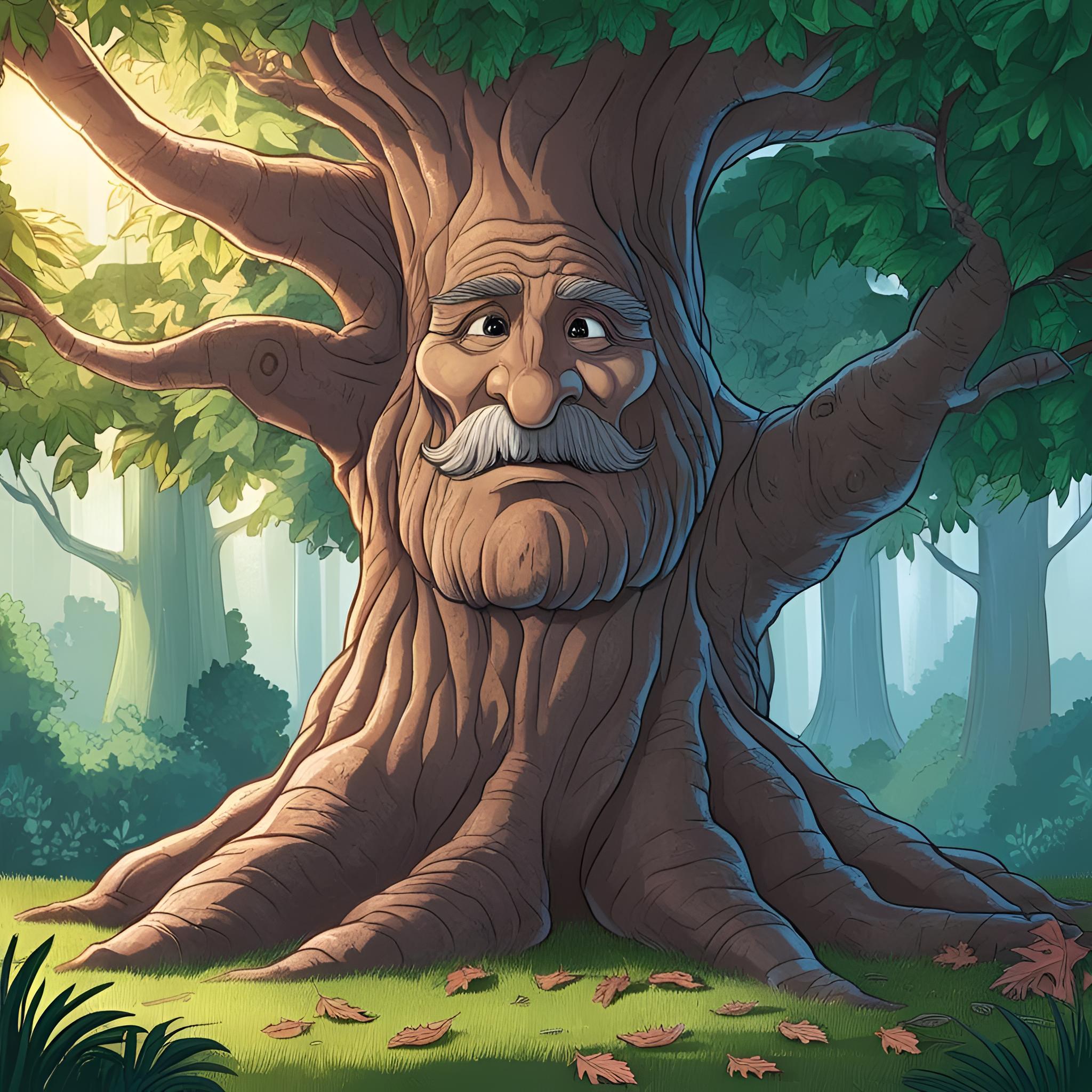
So emotional surrealism lets a memory walk into the kitchen and sit down unannounced. It lets the dead speak, not because they are ghosts, but because emotionally they never left. It lets objects feel things. A chair that knows who waited in it. A letter that resents being unopened. A mirror that remembers every version of the face that stood in front of it and refuses to forget.
People often accuse this approach of being indulgent. Too poetic. Too much. This accusation always comes from the same place: discomfort with emotional honesty that does not ask to be justified. Emotional surrealism refuses to explain itself in clinical terms. It does not translate pain into lessons. It does not convert loss into growth arcs. It says some things hurt forever, just differently. Some loves never resolve. Some selves never reconcile.
And that refusal is political, whether it wants to be or not.
We live in an era obsessed with clarity. Labels. Diagnostics. Productivity. Emotional surrealism disrupts that. It shows the mess without cleaning it up for public consumption. It allows contradiction. A character can love someone and want them erased. A narrator can be powerful and afraid without apologising for the overlap. Emotional surrealism does not choose between strength and vulnerability. It stages their collision.
There is also humour here, though people miss it. A dry, quiet humour. The absurdity of being a person. The way the mind dramatizes nothing and minimises everything. Emotional surrealism understands that suffering is often ridiculous. Not funny in a sitcom way. Funny in the way you laugh alone in the bathroom because if you do not, something inside you will crack.
This is why emotional surrealism pairs so well with irony and restraint. The more calmly you describe the impossible, the more truthful it feels. “The house was jealous of her happiness.” “His shadow refused to follow him that day.” “She misplaced Tuesday and never found it again.” These are not metaphors. They are emotional facts wearing symbolic clothing.
In writing, emotional surrealism is not about decoration. It is not about sprinkling strange imagery like confetti. It is structural. It shapes how the story breathes. Scenes may drift. Logic bends. Causality loosens. But the emotional throughline is brutally coherent. You always know what hurts, even if you do not know why a staircase suddenly leads into the ocean.
That is the discipline people underestimate. Emotional surrealism requires control. You cannot just let things float. You must know exactly which emotion is steering the dream and why. Otherwise, it collapses into aesthetic nonsense. Style without spine. Symbolism without consequence.
The best emotional surrealism feels inevitable. Like this was the only way the story could be told without lying.
It also demands trust from the reader. Trust that they are allowed to feel without immediate comprehension. Trust that confusion can be part of recognition. That you do not need to decode every image like a puzzle to be solved. Sometimes the meaning is a sensation. Sometimes the truth arrives as pressure rather than explanation.
This is why emotional surrealism resonates so deeply now. We are saturated with information and starved for meaning. We know the words for everything and feel none of them fully. Emotional surrealism gives permission to experience without optimising. To dwell. To ache without monetising the ache. To exist in emotional weather rather than constantly trying to escape it.
It is not escapism. It is confrontation by other means.
In visual art, emotional surrealism shows up as familiar scenes warped by inner states. In film, it appears in pacing, repetition, dream intrusions, and narrative fractures. In literature, it thrives in voice. A voice that admits unreliability. A voice that understands memory lies but emotions rarely do.
And no, it is not for everyone. Some people need clean lines and moral summaries. Some people want art to reassure them that feelings are manageable. Emotional surrealism refuses that comfort. It says feelings are environments you survive in, not problems you solve.
That may sound bleak. It is not. There is tenderness here. Deep tenderness. Because to portray emotion this honesty is an act of care. It treats inner life as worthy of complexity. It does not rush people through their pain. It stays. It listens. It translates what cannot be said directly.
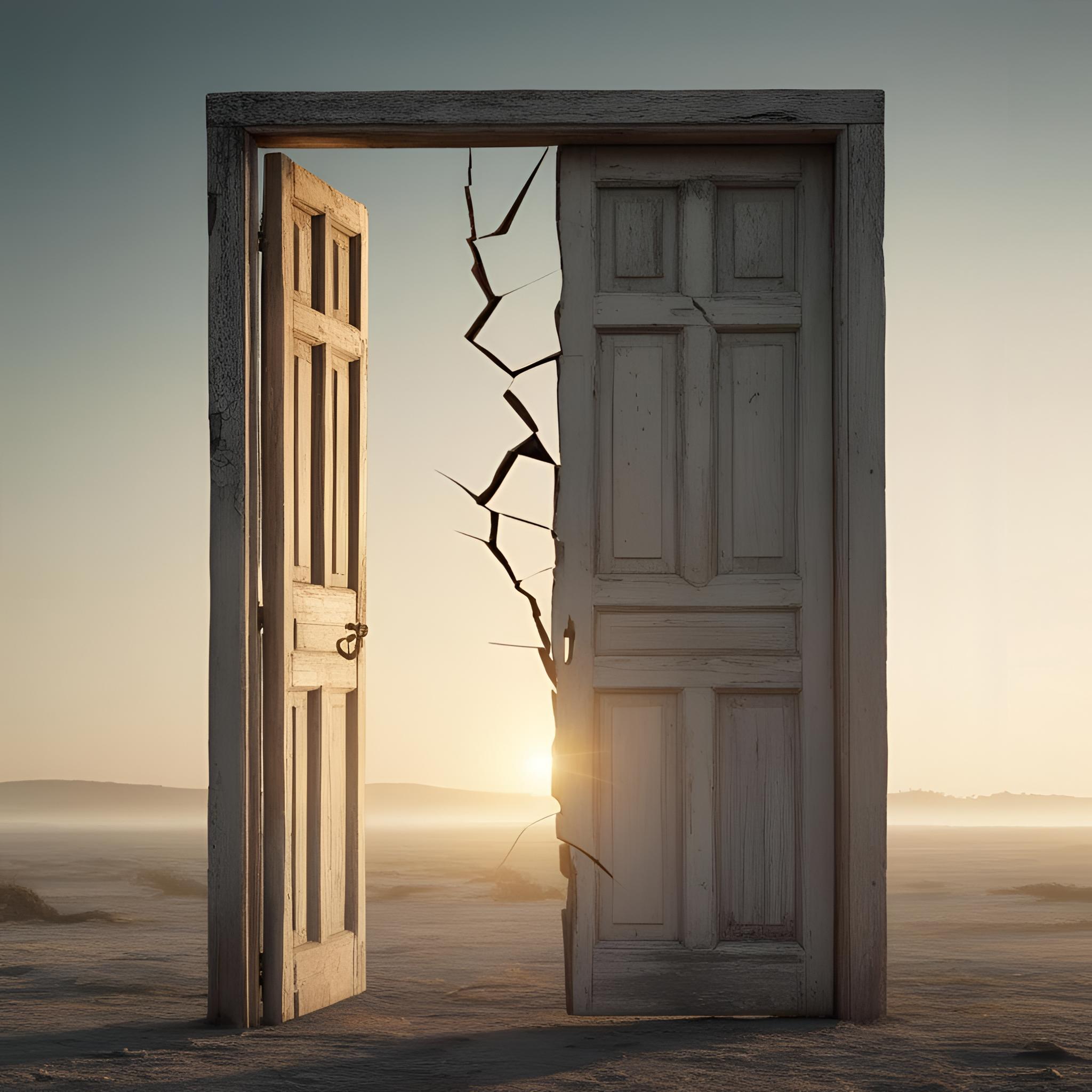
Emotional surrealism believes that the most truthful portrait of a human being is not a photograph but a distorted reflection that somehow feels more accurate than reality. It believes that exaggeration can be more honest than restraint. That bending the world is sometimes the only way to show how it actually feels to live inside it.
This, when a character dissolves into birds. When a city forgets its own name. When time loops because someone cannot let go. This is not fantasy. This is reportage from the interior.
And maybe that is the point. Emotional surrealism is realism for the inner world. The kind that does not pretend coherence where there is none. The kind that respects the fact that humans are walking contradictions, haunted archives, and unfinished sentences pretending to be adults.
If realism is the surface of things, emotional surrealism is the undertow. You do not see it immediately. You feel it pulling. And once you notice it, it is too late to pretend the water was ever calm.
You might want to read more:
Atmospheric & Mythic Fiction: An Essential Guide to Liminal Storytelling
Let’s Write Liminal, Dreamlike Fiction
Rethinking Authorship in the Age of Technology
If these words stayed with you, share them.
Disclaimer: Featured image generated with AI.
A quiet chamber behind the visible world.
We value your trust!
Your address is safe in the vault.
We’ll only use it to send you letters worth opening; no spells, no spam, no secret salesmen.