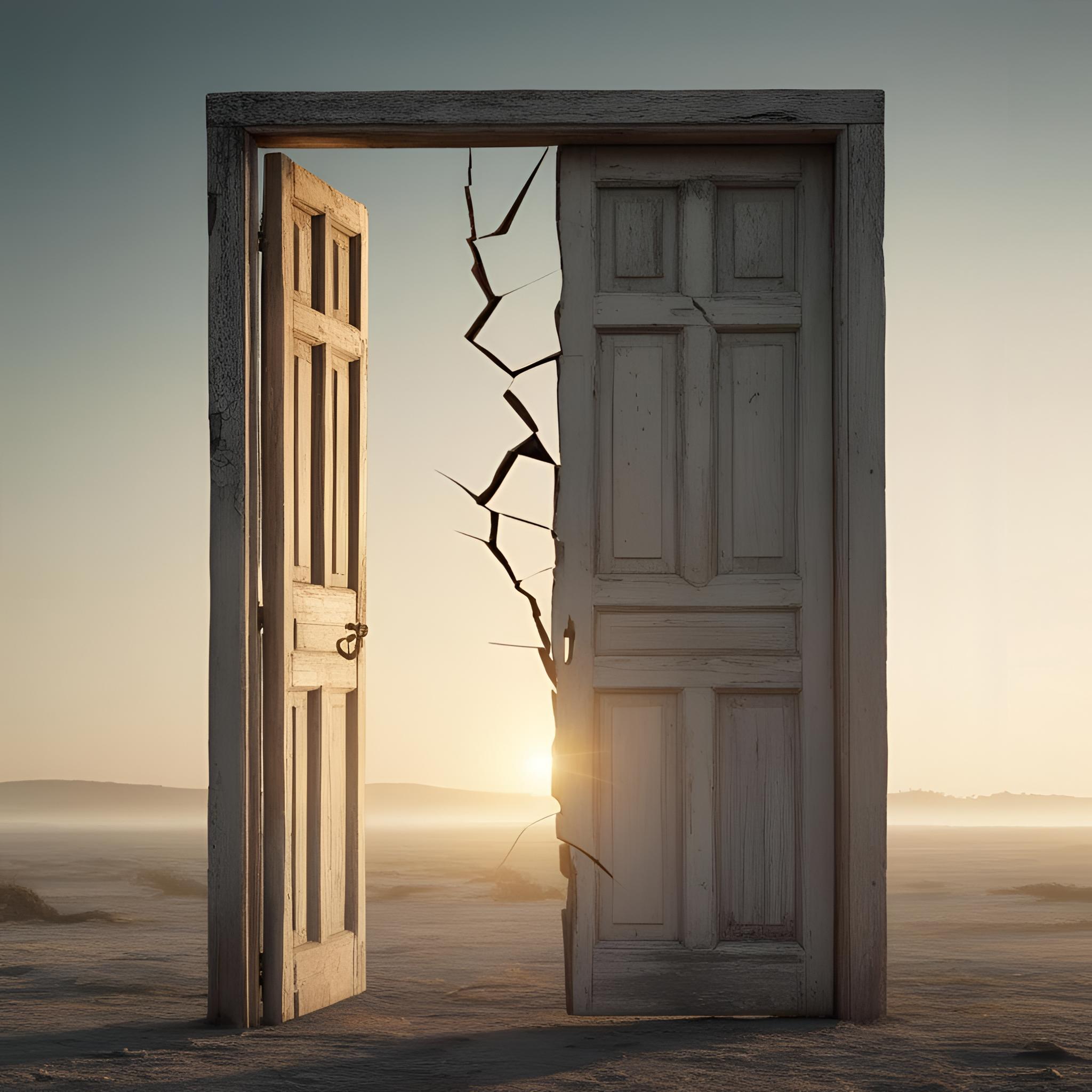
Here we go; this is for you.
An article, not a horoscope. About meaning that hides, refuses to introduce itself, and still insists on being felt.
The Art of Saying It Without Saying It
Surreal narratives are not puzzles to be solved. They are rooms to be entered. If you walk in demanding instructions, labels, or a floor plan, you will miss the point entirely. Surrealism does not explain itself because explanation would cheapen it. Instead, it whispers through objects, gestures, repetitions, absences. Symbolism and subtext are its native language.
Where realism tells you what happened, surrealism asks why it felt that way.
At its core, symbolism in surreal narratives is not decorative. It is structural. The objects, environments, and distortions are not metaphors pasted on top of a story. They are the story. A city that floods with ink is not standing in for grief. It is grief behaving like a city. A woman who keeps her memories in boxes is not symbolic of repression. It is repression given a body and a storage system.
Surrealism externalises the internal. It drags the subconscious into daylight and lets it speak in its own strange grammar.
Symbolism as Emotional Physics
In surreal narratives, symbols obey emotional logic rather than narrative logic. Cause and effect are replaced by resonance. Things happen because they belong together, not because they make sense on paper.
A door appears repeatedly. A sound won’t stop. An animal watches from the corner of the room. These elements accumulate weight through recurrence. They begin as curiosities and end as verdicts.
This is where symbolism becomes dangerous in the best way. The reader is not told what something means. They are forced to feel around it, circle it, test it against their own inner landscape. Meaning emerges through friction.
A successful surreal symbol does not resolve. It deepens.
Take the common mistake of over-explaining. When a symbol is decoded too neatly, it collapses. It becomes a prop instead of a presence. Surreal narratives thrive on ambiguity because ambiguity mirrors the way the human mind actually works. We do not experience our fears or desires as footnotes. We experience them as pressure, as repetition, as something we keep bumping into without knowing why.
Symbolism should feel inevitable in hindsight and inexplicable in the moment.
Subtext: The Real Story Happening Under the Floorboards
If symbolism is the architecture, subtext is the vibration running through it. Subtext is what the story refuses to say out loud. It is the argument happening beneath the dialogue, the grief leaking through humour, the power struggle disguised as politeness.
In surreal narratives, subtext often carries more narrative weight than plot. Characters may move through bizarre landscapes or impossible events, yet the real tension lies elsewhere: in what is being avoided, denied, or distorted.
A conversation about weather is never about weather. A ritual performed daily is never just a habit. A character’s obsession with order is never about cleanliness.
Subtext operates through omission. What is not explained. What is interrupted. What cannot be named without breaking something.
Surrealism allows subtext to become visible without becoming literal. Instead of a character confessing fear, the world bends. Time loops. Gravity misbehaves. The environment speaks the truth the character cannot.
This is why surreal narratives often feel intimate even when they are abstract. The reader recognises the emotional truth before understanding the narrative mechanics.
The Reader as Co-Conspirator
Surreal storytelling demands an active reader. There is no handholding, no tidy moral waiting at the end like a receipt. Symbolism and subtext invite the reader to collaborate, to bring their own experiences, fears, and contradictions into the text.
This is not generosity. It is trust.
A surreal narrative assumes the reader can sit with uncertainty. That they can tolerate unanswered questions. That they understand some things are meant to be felt repeatedly, not solved once.
The symbol that unsettles one reader may comfort another. The subtext that feels political to one may feel deeply personal to someone else. This multiplicity is not a flaw. It is the point.
Meaning in surreal narratives is not fixed. It is negotiated.
When Surrealism Fails
Surreal narratives fail when symbolism becomes gimmick and subtext becomes coy. Randomness masquerading as depth is easy to spot. If the symbols do not accumulate, if the world does not respond emotionally to the characters, the strangeness becomes empty.
Surrealism is not an excuse to avoid clarity. It is a demand for a different kind of clarity. Emotional clarity. Psychological consistency. Internal coherence, even if the external world is fractured.
If anything can happen, nothing matters. Constraints are essential. Symbols must obey their own rules. Subtext must be earned through pattern and pressure.
The reader should feel that the story knows exactly what it is doing, even if it refuses to explain itself.
Why We Keep Returning to the Strange
Surreal narratives endure because they speak to the parts of us that linear language cannot reach. They mirror the way memory fractures, how trauma loops, how desire disguises itself. They allow contradiction to coexist without apology.
Symbolism and subtext are not literary tricks. They are survival mechanisms. Ways of telling the truth sideways when facing it directly would be unbearable.
In a world obsessed with explanation, surrealism offers resonance instead. It reminds us that not everything meaningful can be translated into sense. Some truths insist on remaining strange.
And maybe that is the quiet promise of surreal narratives: that confusion is not failure, ambiguity is not absence, and meaning does not always arrive in words. Sometimes it arrives as an image that won’t leave you alone.
You don’t solve it.
You live with it.
You might want to read more about:
Dark Flash Fiction: Structure, Rhythm & Impact
Atmospheric & Mythic Fiction: An Essential Guide to Liminal Storytelling
If these words stayed with you, share them.
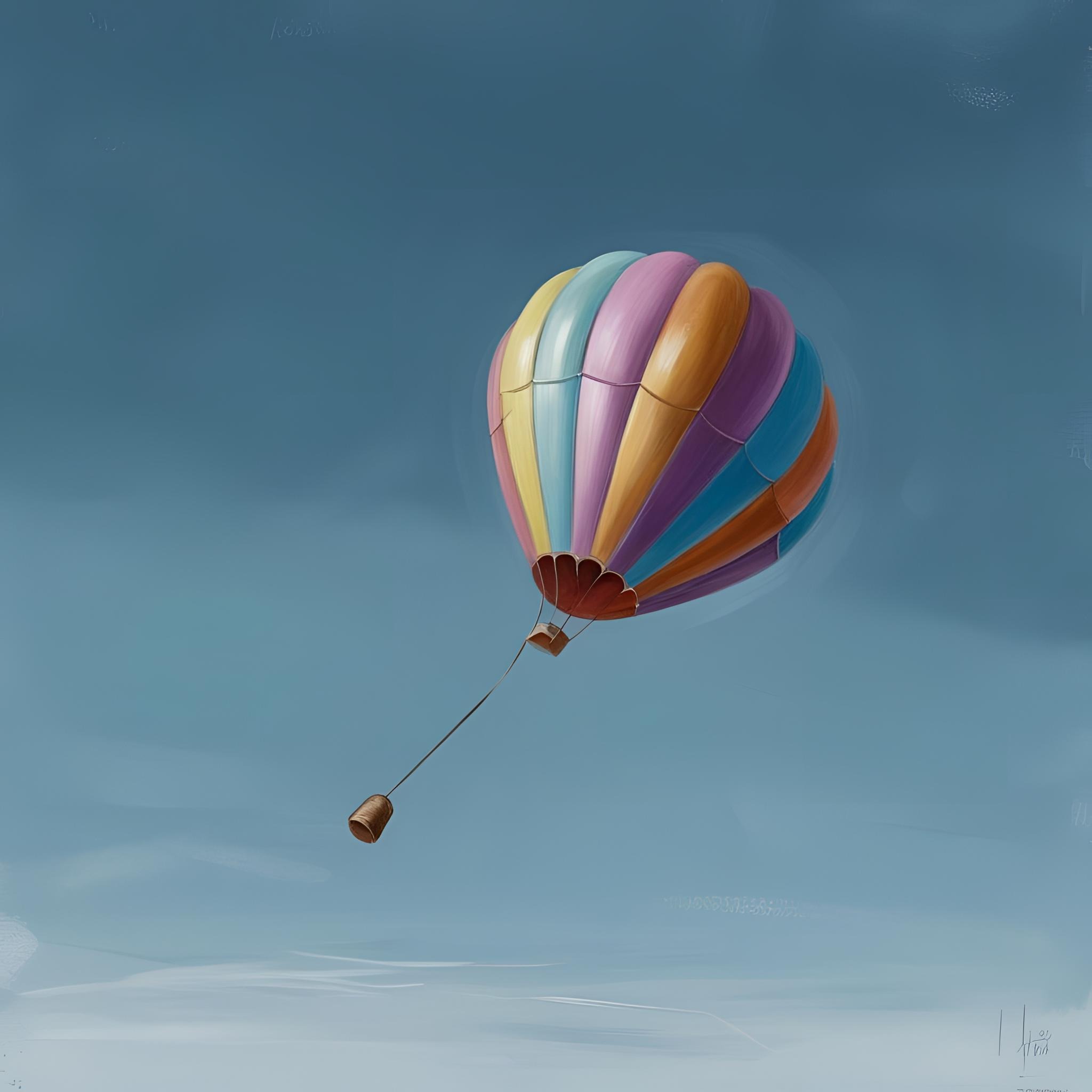
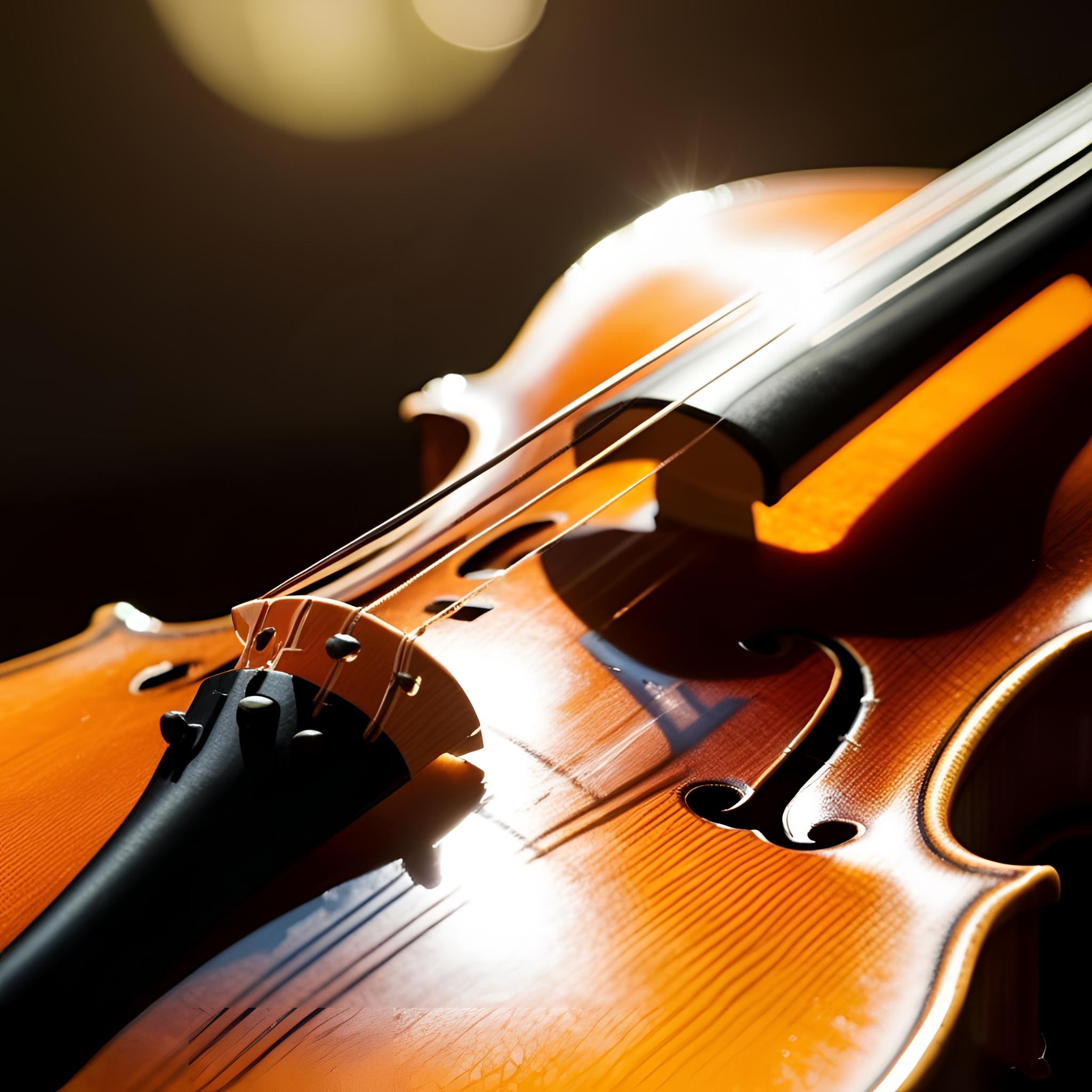
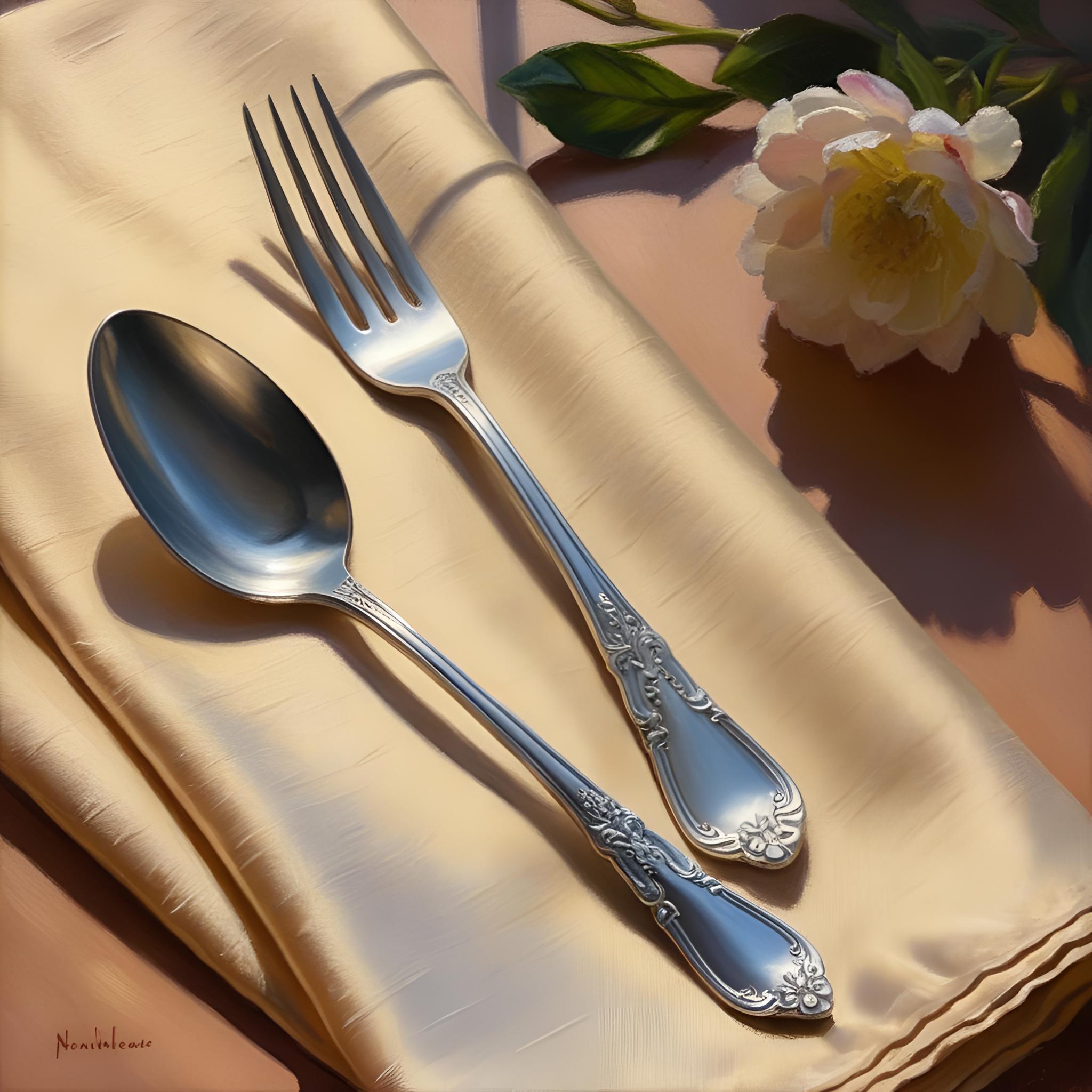
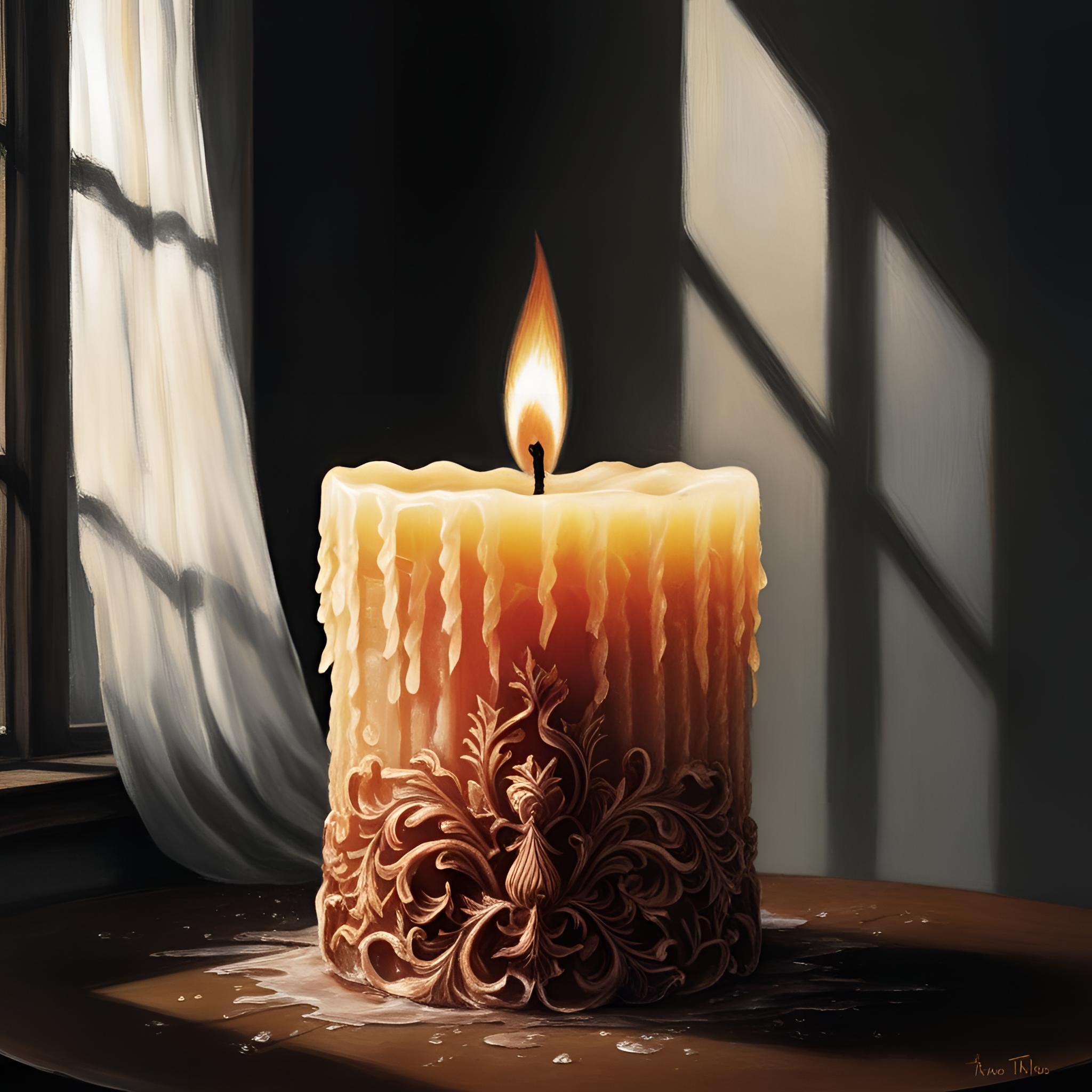
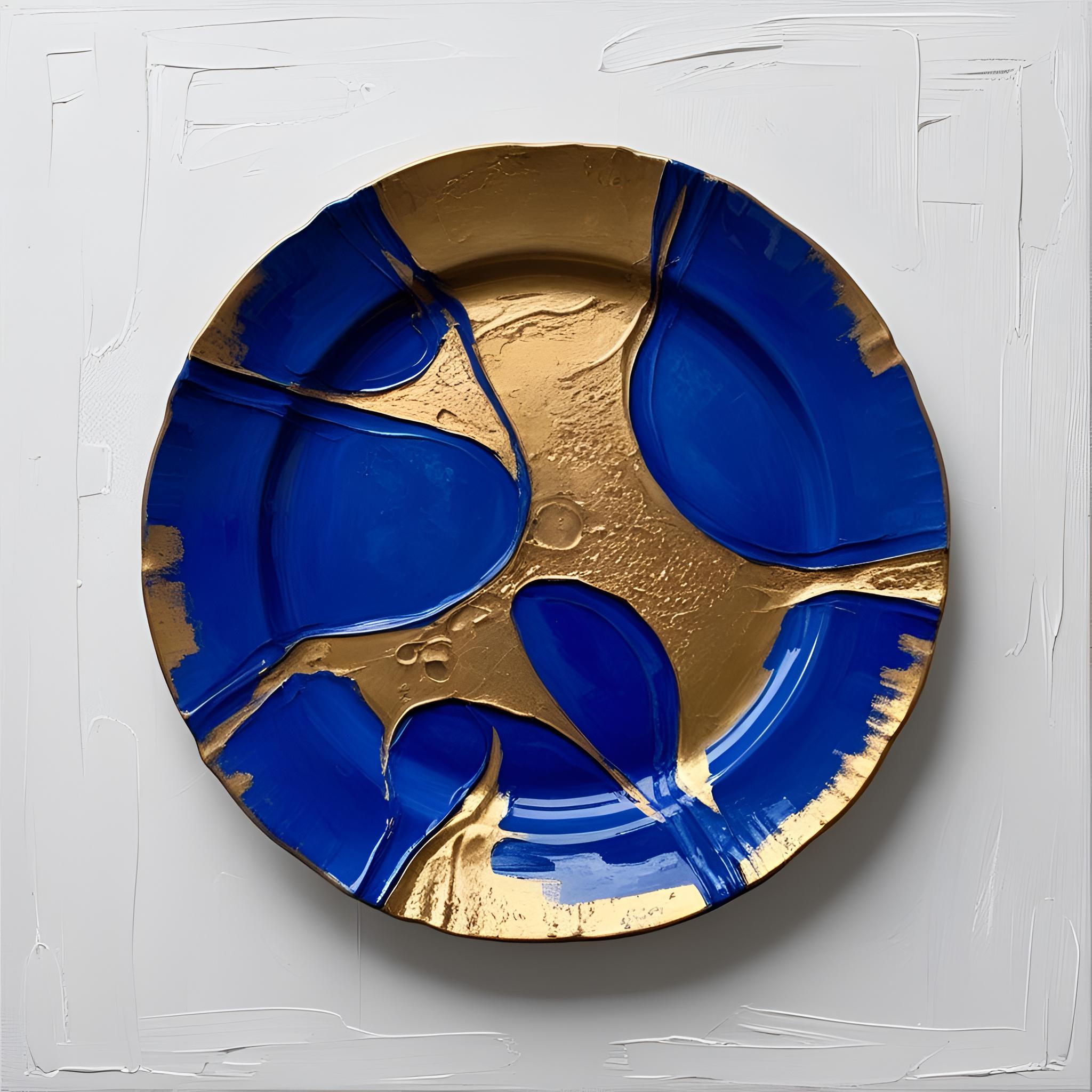
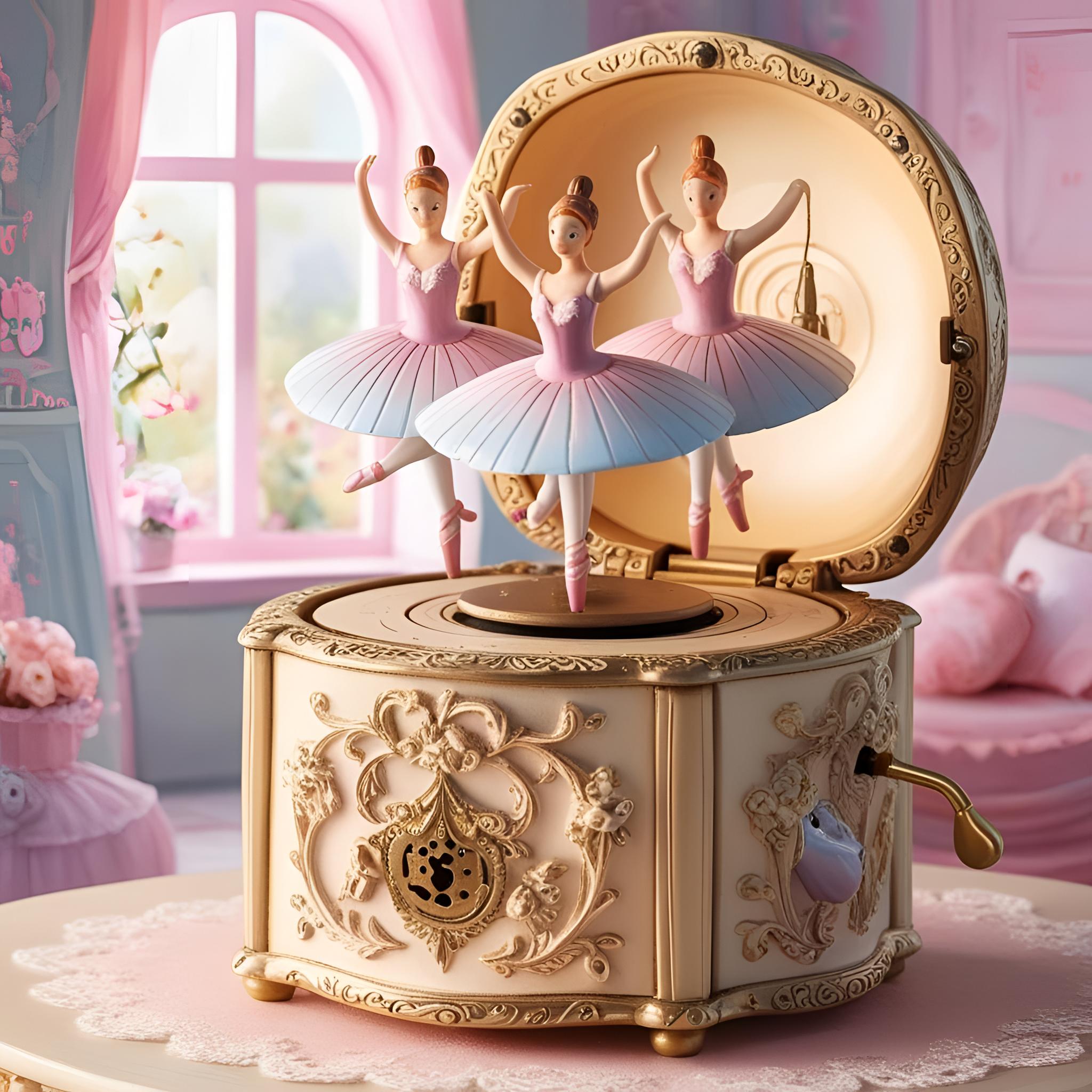
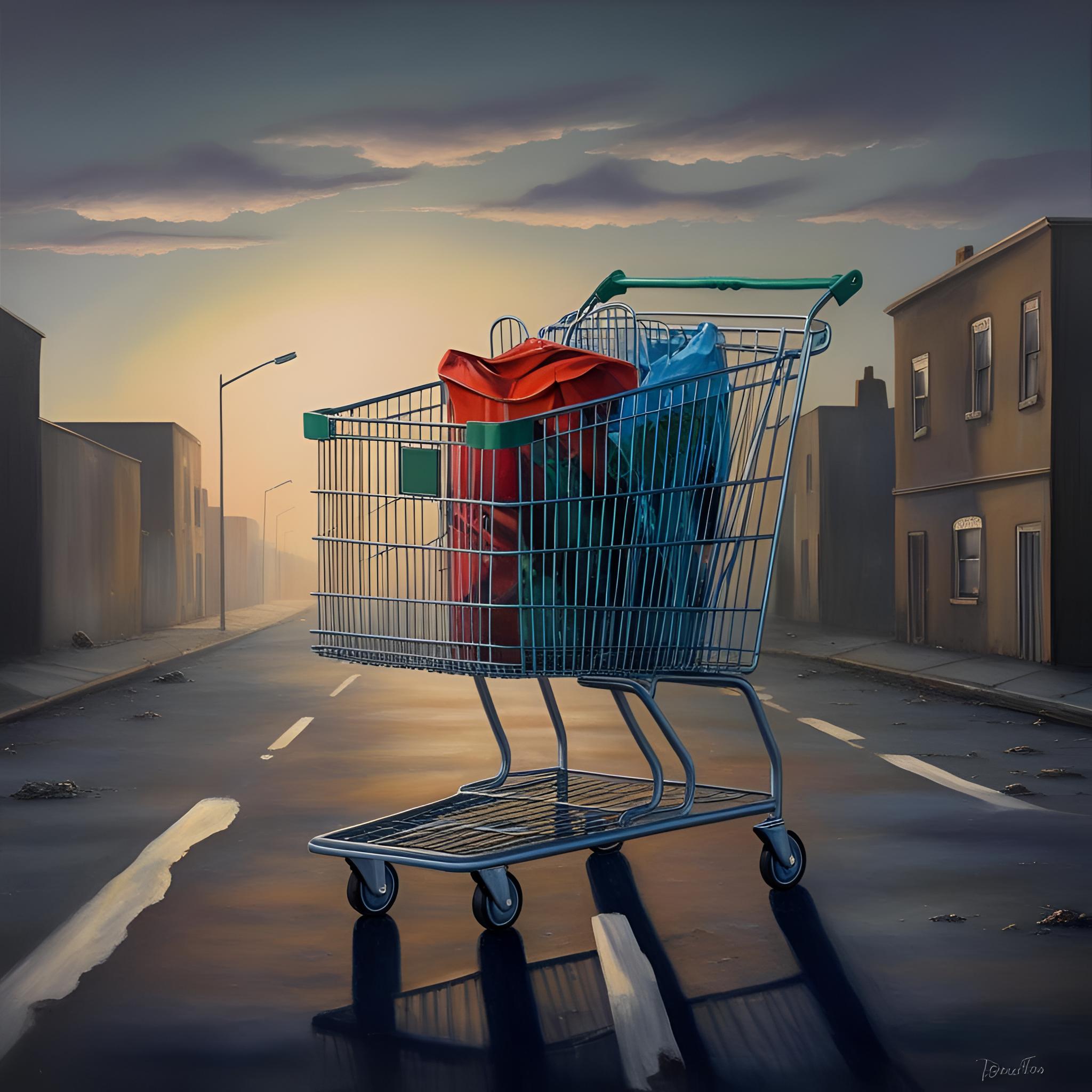
Disclaimer: Featured image generated with AI.
A quiet chamber behind the visible world.
We value your trust!
Your address is safe in the vault.
We’ll only use it to send you letters worth opening; no spells, no spam, no secret salesmen.