Just Another Reader Speaks Aloud
I finish the book.
Or rather, I reach the last page, which is not the same thing. The story is still moving around inside me, rearranging things, knocking into old furniture, trying doors it shouldn’t. I close the cover. I sit there. I stare at nothing.
Amazon does not sit with me.
Amazon materialises immediately, like a waiter who clears the plate while you’re still chewing.
“Leave a review.”
“How many stars would you give this product?”
Product. Already we’re off to a bad start.
I’m not ready. I don’t know what I think yet. I don’t even know what I feel. The book hasn’t finished happening to me. But the system doesn’t care about that liminal state readers live in. It wants a verdict, not a process. A symbol, not a sentence.
Five stars. Four stars. Three. Two. One.
No option for “I need to think.” No option for “this unsettled me.” No option for “I liked it and that annoys me.” No option for “this book failed in an interesting way,” which is sometimes the most generous thing a reader can say.
Just stars. Clean. Bright. Merciless.
A Star Is Not Feedback, It’s a Shortcut
Here’s the quiet insult baked into the request. The star system assumes that my experience can be flattened without loss. That whatever happened between me and the book can be compressed into a shape simple enough to feed an algorithm.
But reading isn’t simple. It’s not even linear.
I loved parts of the book and resented others. I admired the ambition and questioned the execution. I forgave weaknesses because of a single moment that hit too close to something I never talk about.
How many stars is that?
Amazon doesn’t ask what stayed with me.
It doesn’t ask what I argued with.
It doesn’t ask what I reread.
It doesn’t ask what I skipped, or why.
It asks for a number, because numbers behave. Numbers sort. Numbers sell.
A star is not feedback. It’s a shortcut designed for people who didn’t read the book but want to feel informed about it.
And I, the reader who actually went through the thing, am asked to translate a lived experience into retail-friendly shorthand.
The Emotional Math of Rating a Book
Let me explain the internal gymnastics, because they’re exhausting.
Five stars feels like a promise. Like saying this book is whole, complete, exemplary. That it delivered exactly what it set out to do and more. Very few books do that. Very few should have to.
Four stars feels like a polite hedge. I liked it, but I’m withholding something. Not sure what. Respect, maybe. Or the illusion of discernment.
Three stars is the danger zone. Three stars reads as mediocrity, even when it’s meant to say, “this was complicated.” Three stars can sink a book quietly, without drama, which somehow feels worse.
Two stars feels punitive. Like I’m issuing a warning. Like I’m saying I regret the time spent, which is rarely true. Even flawed books give something. Even bad books teach me what I don’t want.
One star is a declaration of war. It suggests betrayal. Harm. Rage. A book would have to actively offend me, or waste me, or insult my intelligence repeatedly to earn that. Most don’t.
So, I hover. Cursor shaking slightly. The book watching me from the table like a dog waiting to see if it’s being abandoned or praised.
This is not a neutral act. It’s an emotional math dressed up as consumer choice.
The Guilt Is Real
There’s something else nobody talks about. Guilt.
I know there’s a human on the other end. An author who wrote this book in stolen hours, in private doubt, possibly while working another job, possibly while wondering if anyone would care at all. I know stars affect visibility. Sales. Survival.
My rating stops being about honesty and starts being about mercy.
Do I give five stars because I liked the author’s voice even if the plot wandered?
Do I give four because I want to be truthful but not cruel?
Do I give five because anything less feels like pushing someone closer to obscurity?
This is not how feedback should work.
A reader should not feel like a juror sentencing someone they’ve never met. A star system turns readers into reluctant accomplices in a marketplace they didn’t design.
Sometimes I rate generously out of kindness. Sometimes I rate strictly out of principle. Neither feels clean. Neither feels like the truth.
Silence As the Last Honest Option
That’s why sometimes, I do nothing.
I close the page. I ignore the prompt. I leave no star, no words, no trace.
From the outside, this looks like indifference. It’s not.
Silence is often the result of complexity. Of not wanting to lie in either direction. Of refusing to participate in a system that mistakes speed for clarity.
But silence doesn’t help the algorithm. Silence doesn’t help the author. Silence disappears.
And still, I choose it. Because clicking a star when I’m not ready feels like vandalism.
Reviews Written Under Duress
On the rare occasions I do leave written feedback, it’s usually after the star has already forced my hand. The words come second, as an afterthought, boxed in by the rating I chose under pressure.
This creates strange distortions.
I might write a thoughtful, nuanced paragraph, but the star count above it screams something simpler. Readers skim the number and ignore the words. Authors see the number first and brace themselves before reading the explanation.
The star becomes louder than the language.
I have written reviews that felt truer than the rating attached to them. I’ve written “this book stayed with me” under four stars because five felt too absolute. I’ve written careful praise under three stars because I wanted to signal restraint.
The system turns language into decoration. The real judgment is already locked in.
Books Are Not Appliances
Here’s the underlying problem. Online publishing platforms treat books like toasters.
Did it work?
Did it break?
Would you recommend this toaster to a friend?
But books are not tools. They are not meant to perform efficiently. They are meant to disturb, to linger, to fail interestingly, to change depending on who reads them and when.
A book I hated at twenty might save me at forty. A book that bored me during grief might feel profound years later. The star system freezes a moment and pretends it’s permanent.
Readers know this. We feel it in our hesitation. In our reluctance to stamp a book with a number that will follow it forever.
The Quiet Arrogance of Aggregation
Another thing that bothers me. The way thousands of individual experiences are mashed together and averaged into something that looks authoritative.
“This book has 4.3 stars.”
What does that mean? That some people loved it, some didn’t, and math got involved.
Aggregation creates the illusion of consensus. It erases the outliers, the deeply personal responses, the reader who read the book at the exact wrong moment or the exact right one.
As a reader, I know how misleading this is. I’ve loved books with low ratings. I’ve been baffled by books with near-perfect scores.
And still, I’m asked to contribute to the pile. To smooth my experience into a decimal point.
The Star As a Performance
There’s also performative pressure. Public accountability.
My rating is visible. It becomes part of my profile, my taste, my identity as a reader. I’m not just rating the book. I’m signalling who I am.
Am I generous?
Am I critical?
Am I easily impressed?
Am I hard to please?
Stars are not just feedback. They are self-portraits drawn in five crude strokes.
Sometimes I rate lower than I feel because I don’t want to look naive. Sometimes I rate higher because I don’t want to look cruel. This has nothing to do with the book. And yet, the book bears the mark.
What I Wish the System Asked Instead
I wish it asked better questions.
What stayed with you?
What confused you?
What did you resist?
Who would this book speak to, even if it didn’t speak to you?
These answers wouldn’t sort neatly. They wouldn’t rank cleanly. They wouldn’t scale.
Which is exactly why they’d be honest.
But honesty is inefficient. And inefficiency doesn’t sell.
The Reader Is Not the Enemy
Here’s the part I need authors to understand, even if it’s uncomfortable.
When readers hesitate, when they rate imperfectly, when they say nothing at all, it’s rarely because they didn’t care. It’s often because they cared too much to lie.
The star system turns readers into blunt instruments. It asks us to do a job we were never trained for and then judges us for doing it badly.
We are not critics. We are not marketers. We are participants in a fragile exchange.
A book reached us. We responded. That should be enough.
The Star Falls, The Book Remains
Eventually, I chose. I always do. A star drops. The system is satisfied. The constellation adjusts.
And then I move on.
But the book doesn’t vanish. It stays in me in ways no rating captures. A line resurfaces weeks later. A character reappears in a dream. A question the book asked refuses to let go.
None of that is visible on Amazon.
The star is what the machine remembers.
The rest belongs to me.
And maybe that’s the only place real feedback ever lived anyway.
You might like reading more about:
How do Royalties Work for Published Authors?
Dark Flash Fiction: Structure, Rhythm & Impact
Atmospheric & Mythic Fiction: An Essential Guide to Liminal Storytelling
If these words stayed with you, share them.
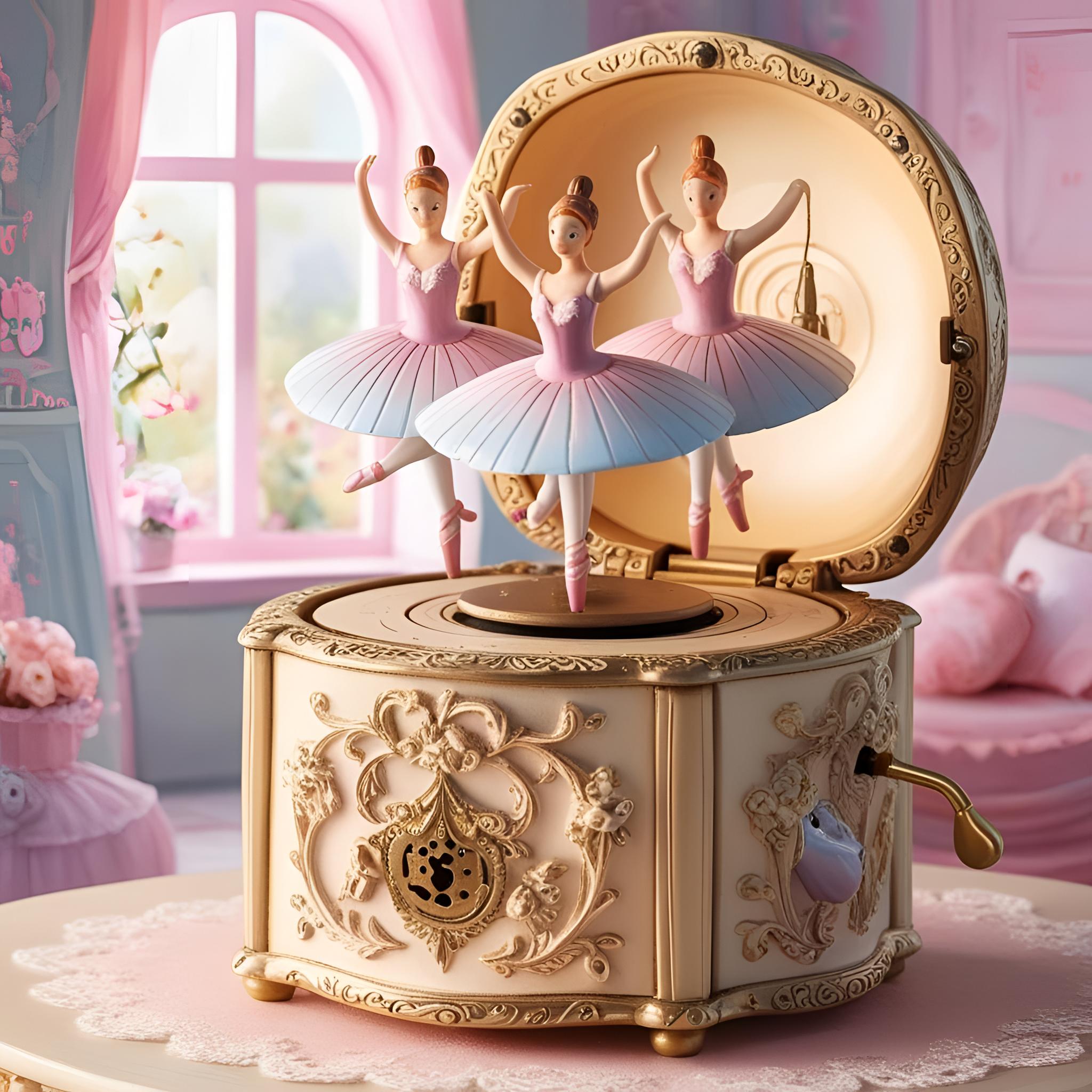
Disclaimer: Featured image generated with AI.
A quiet chamber behind the visible world.
We value your trust!
Your address is safe in the vault.
We’ll only use it to send you letters worth opening; no spells, no spam, no secret salesmen.