Atmosphere is not decoration. It is not a scented candle placed beside the plot to make the room feel nicer. Atmosphere is the air itself. It is what the reader breathes while the story unfolds, often without realising they are inhaling anything at all.
Poetic prose does not chase beauty for its own sake. It builds a sensory and emotional climate that shapes meaning before meaning arrives. Below are techniques for crafting atmosphere deliberately, patiently, and with intention.
- Let Setting Carry Emotion
A setting should not merely exist; it should feel. Instead of telling the reader how to feel, allow the environment to express it on your behalf.
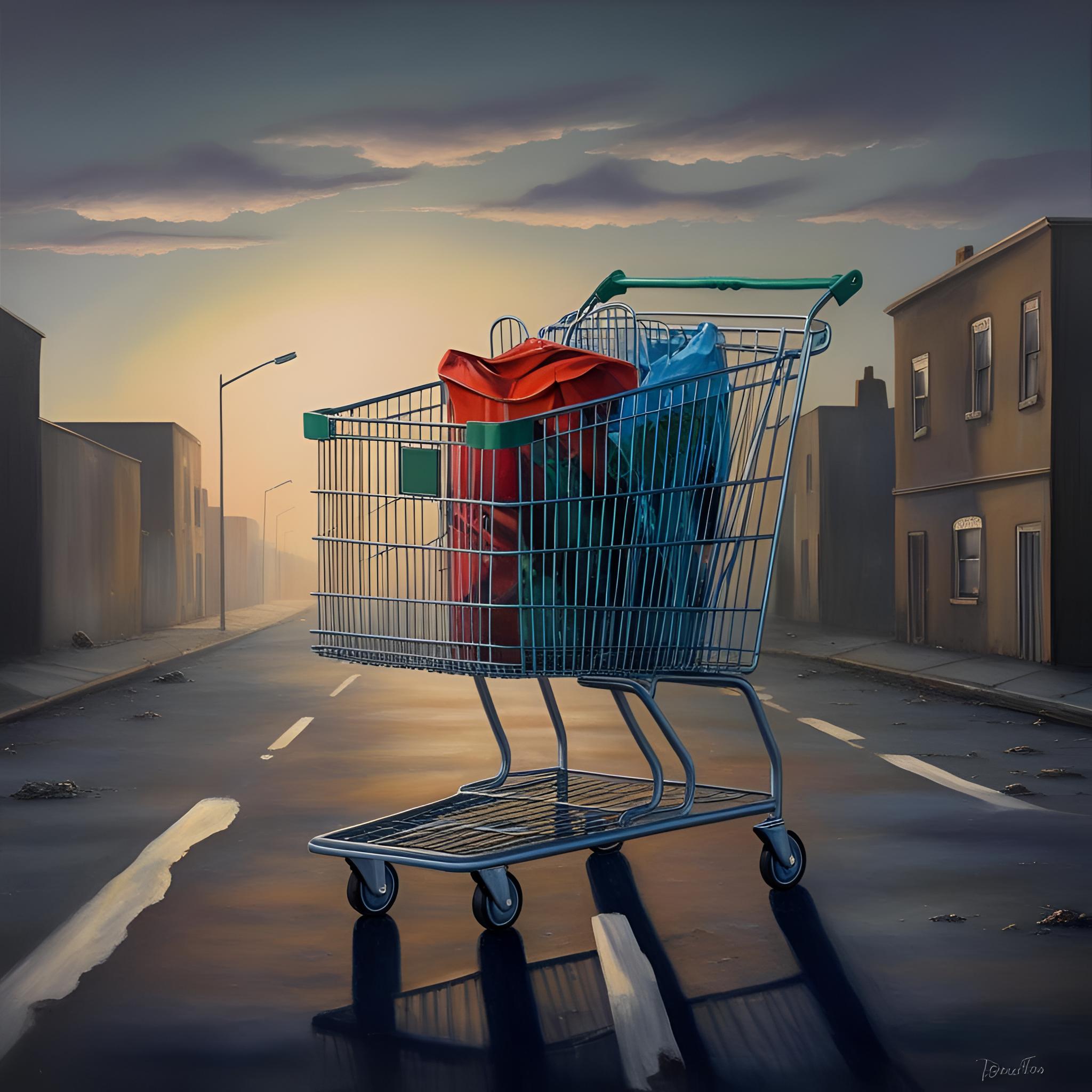
A street can be tired. A room can be resentful. A city can hold its breath.
This does not mean personifying everything until the prose collapses under its own cleverness. It means selecting details that mirror the emotional undercurrent of the scene. Cracked pavement, humming lights, a door that refuses to close properly. These are not neutral objects. They are emotional instruments.
Practical approach:
- Write the scene once without atmosphere. Pure action, pure dialogue.
- Identify the dominant emotion of the moment.
- Rewrite the setting using 3-5 details that behave the way that emotion feels.
Ask yourself: What does this place know that the characters do not?
- Be Precise, Not Decorative
Poetic prose often suffers from excess. Too many adjectives, too many metaphors, too much insistence on beauty. Atmosphere thrives on precision, not abundance.
One exact image is stronger than five vague ones.
Choose details that do specific work. A rusted key is more evocative than “an old object.” The sound of a refrigerator clicking on at midnight tells us more than a paragraph about loneliness.
Practical approach:
- Highlight every adjective and metaphor in a paragraph.
- Ask what emotional or narrative job each one performs.
- Remove anything that is decorative but inactive.
If an image does not sharpen the mood, it is likely dulling it.
- Use Rhythm as Emotional Guidance
Sentence length is emotional pacing.
Long, flowing sentences create immersion, dream-states, and inevitability. Short sentences interrupt. They fracture. They demand attention.
Poetic prose listens to itself.
Read your work aloud. Where the breath stumbles, something is off. Where the rhythm accelerates or slows, the emotional temperature shifts. This is not accidental. It is composition.
Practical approach:
- Mark long sentences and short ones with different colours.
- Match sentence length to emotional intensity.
- Break sentences deliberately where you want discomfort or clarity.
Let syntax do part of the storytelling. Silence, in the form of white space or restraint, is also a tool.
- Trust the Reader’s Imagination
Atmosphere strengthens when you stop explaining it.
Resist the urge to clarify every emotional implication. Suggestion is more powerful than instruction. Let the reader assemble meaning from fragments, from echoes, from what is left unsaid.
Mystery is not confusion. Mystery is confidence.
Practical approach:
- Remove explicit emotional labels from a scene.
- Replace them with observable behaviour or environmental clues.
- Let readers infer the emotional truth themselves.
If you trust your reader, they will meet you halfway. Often, they will go further.
- Anchor the Abstract in the Physical
Poetic prose frequently explores internal states: grief, fear, longing, dissociation, desire. These abstractions become atmospheric only when grounded in the body and the world.
Emotions are felt somewhere.
In the jaw. In the hands. In the way someone avoids looking at a mirror. In the way they count steps without meaning to.
Practical approach:
- Identify the emotional state of the character.
- Translate it into a physical sensation or repetitive action.
- Let that sensation recur subtly across the scene.
When inner experience is filtered through physical sensation, it gains weight and credibility. Atmosphere thickens.
- Repeat with Variation
Repetition creates resonance.
Returning images, sounds, or phrases act like motifs in music. Each recurrence deepens the atmosphere, especially when slightly altered. What was once comforting can become unsettling. What was insignificant can turn symbolic.
Practical approach:
- Choose one image or sensory detail.
- Reintroduce it at different emotional moments.
- Alter its context or meaning each time.
Repetition should evolve. Otherwise, it stagnates.
- Know When to Withhold
Atmosphere depends on restraint.
Not every moment needs lyricism. Not every sentence needs to shimmer. Contrast matters. Flatness, when used intentionally, can make beauty or horror land harder when it arrives.
Poetic prose is not constant intensity. It is modulation.
Practical approach:
- Identify the most emotionally charged moment in a chapter.
- Simplify the language immediately before it.
- Allow the atmospheric language to bloom only where it matters most.
Crafting atmosphere is an act of patience. It requires listening to the story rather than imposing style upon it. The goal is not to impress, but to immerse.
When atmosphere is successful, the reader does not admire the prose. They forget it exists. They feel something they cannot immediately name, and it stays with them after the final line.
That lingering sensation is the true measure of poetic prose.
Before you go, explore these related ideas:
How do Royalties Work for Published Authors?
Dark Flash Fiction: Structure, Rhythm & Impact
Atmospheric & Mythic Fiction: An Essential Guide to Liminal Storytelling
If these words stayed with you, share them.
Disclaimer: Featured image generated with AI.
A quiet chamber behind the visible world.
We value your trust!
Your address is safe in the vault.
We’ll only use it to send you letters worth opening; no spells, no spam, no secret salesmen.