Human brains are badly wired critics. A single sour note sticks in the skull like chewing gum on a shoe, while praise floats away like polite perfume. Annoying design flaw of evolution.
Psychologists call it the Negativity Bias.
Your mind gives more weight to negative experiences than positive ones. Thousands of years ago, that made sense. The cheerful caveman who ignored danger because “most berries were fine yesterday” got eaten. The paranoid one survived long enough to complain about life and produce descendants.
Congratulations. You inherited the anxious model.
So when twenty people say, “Lovely book,” your brain shrugs. Safe. Expected. No threat detected.
Then one person says, “This was dull and pretentious,” and suddenly the mind lights up like a fire alarm in a library.
Why?
1. Threat detection.
Criticism hints at social rejection. Humans are tribal animals. Being rejected once meant exile, which often meant death. Your brain treats criticism like a possible survival problem, not a literary opinion from someone named BookDragon42.
2. Specificity illusion.
Praise tends to be vague: “Great book.”
Criticism tends to be concrete: “The dialogue feels artificial.”
Concrete information feels more meaningful, so it sticks harder.
3. Ego friction.
Writers, artists, creators. Delicate creatures with stubborn inner monarchs. Praise confirms identity, so the brain files it quickly and moves on. Criticism clashes with the self-image, and the mind keeps replaying it like a broken record, trying to resolve the contradiction.
4. Story power.
A bad review often tells a sharper story than praise. Humans remember stories, not statistics. Twenty compliments are data. One nasty comment is a narrative with teeth.
Writers feel this especially hard. You spend months building a world, characters, sentences polished like glass. Then one stranger strolls in, wipes their shoes on it, and leaves a one-star review with the emotional range of a damp sock.
Still, there’s a strange upside. That painful echo proves something important. The work reached someone. It provoked a reaction. Silence is the real graveyard of art.
Creators who survive eventually learn a trick:
– twenty kind reviews show the work lives,
– one bad review shows the work touched a nerve.
And nerves are where literature actually breathes.
Before you go, explore these related ideas:
The Genre Librarian With a Bad Attitude
Off Script: Why We Question, Where Philosophy Came From, and What It Means to Think Differently
The Essential Role of Empathy in Writing: Why It’s the Most Important Skill for an Author
The Author’s Operational System: How to Organise Your Writing Like a Professional
Complete Guide to Book Formatting in MS Word
If these words stayed with you, share them.
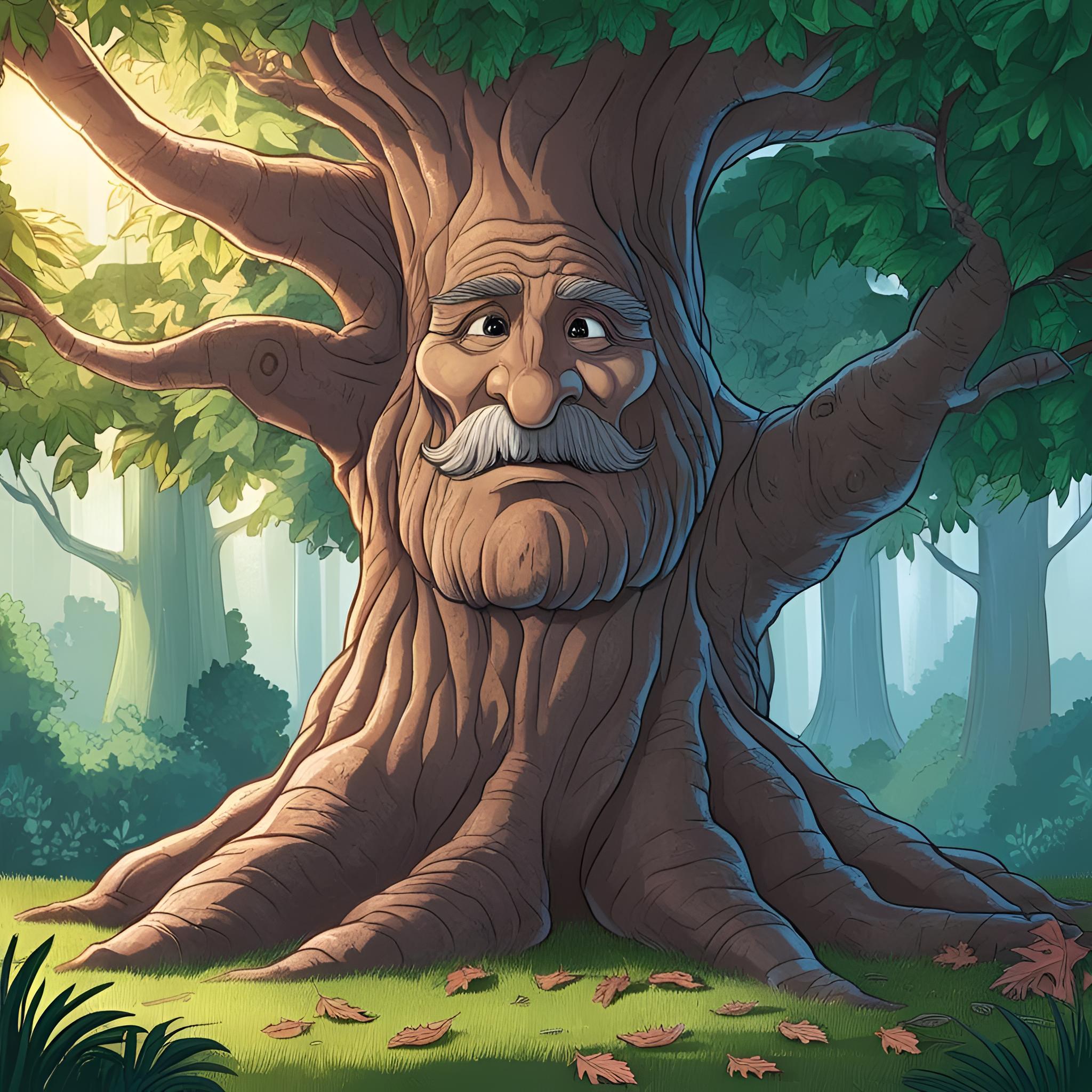
Disclaimer: Featured image generated with AI.
A quiet chamber behind the visible world.
We value your trust!
Your address is safe in the vault.
We’ll only use it to send you letters worth opening; no spells, no spam, no secret salesmen.