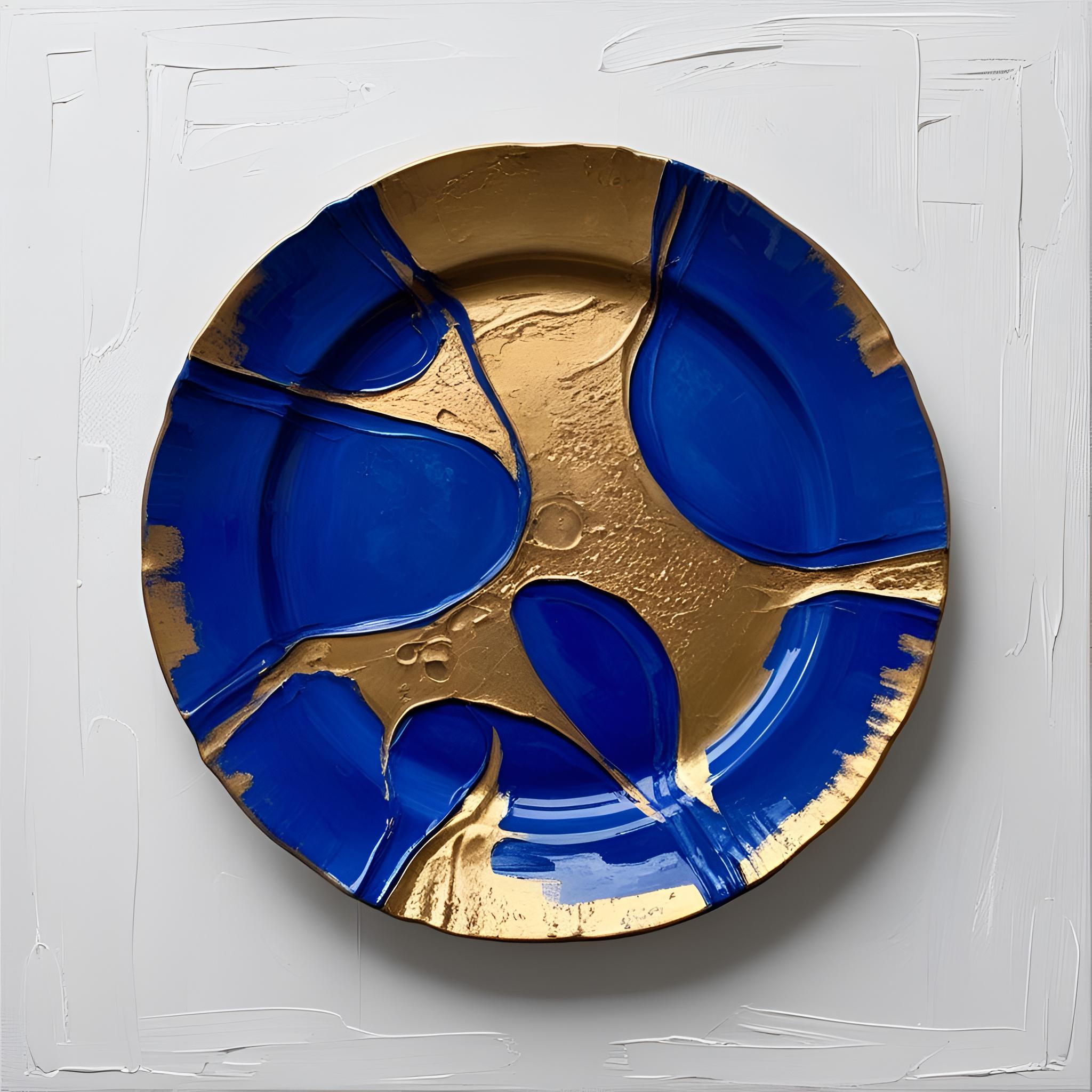
Relationships are basically two people walking around holding glass bowls labelled “fragile truth,” pretending not to notice.
No, people shouldn’t dump every secret on date three between the tiramisu and the bill. That’s not intimacy. That’s emotional littering. Trust is not built by volume of confession. It’s built by consistency. Reliability. Watching someone show up again and again without theatrics.
But here’s the part people avoid: not all secrets are equal.
There’s a difference between:
- “I used to have a weird haircut in 2014.”
- “I cheated in my last relationship.”
- “I have debt.”
- “I have a child.”
- “I struggle with addiction.”
Some secrets are trivia. Some are structural. Structural truths affect the other person’s reality. Those don’t belong in the museum of “I’ll tell you when it feels magical.” They belong in the early architecture phase.
If a truth would materially change someone’s decision to stay, it’s not a cute future confession. It’s information they deserve before they invest deeply.
But here’s the paradox: total openness too early can feel unsafe. Total secrecy, too long, becomes betrayal. So when?
Not by timeline. By stage.
There are roughly three invisible stages:
- Curiosity stage
You don’t owe your autobiography. You’re assessing compatibility, not merging lives. - Investment stage
You start making emotional or logistical commitments. This is where structural truths must surface. Not as drama. Just clarity. - Integration stage
Now you’re building shared future plans. Secrets here become landmines. Withholding at this stage is usually fear dressed as “protecting the relationship.”
People break trust less by having past secrets and more by controlling someone else’s informed consent. That’s the wound.
And there’s another uncomfortable truth: sometimes people delay disclosure not because they’re evil, but because they’re terrified that if someone sees the whole picture, they’ll leave. Humans are painfully strategic about love.
Trust needs time. But trust is not built by waiting to reveal the truth. It’s built by revealing it responsibly, in proportion to the depth of the bond.
If a secret defines your present behaviour, emotional patterns, finances, health, or future plans, it should come out before the other person builds a life around a partial version of you.
Love can handle imperfection. It struggles with delayed revelation.
And if you want the honest, slightly cynical answer? A relationship where you’re constantly calculating when to reveal something probably isn’t built on the safety you’re hoping for. In a strong one, the truth doesn’t feel like a bomb. It feels like a risk you’re willing to take because the person has shown they won’t weaponise it.
Humans want unconditional love, but they negotiate disclosure like lawyers. It’s exhausting.
Trust grows in layers. Secrets should unfold at the same pace.
Before you go, explore these related ideas:
Off Script: Why We Question, Where Philosophy Came From, and What It Means to Think Differently
The Convenient Myth of Emotional Reflection
AI Learning and Ethics: What AI Actually Does When It “Learns”
If these words stayed with you, share them.
Disclaimer: Featured image generated with AI.
A quiet chamber behind the visible world.
We value your trust!
Your address is safe in the vault.
We’ll only use it to send you letters worth opening; no spells, no spam, no secret salesmen.