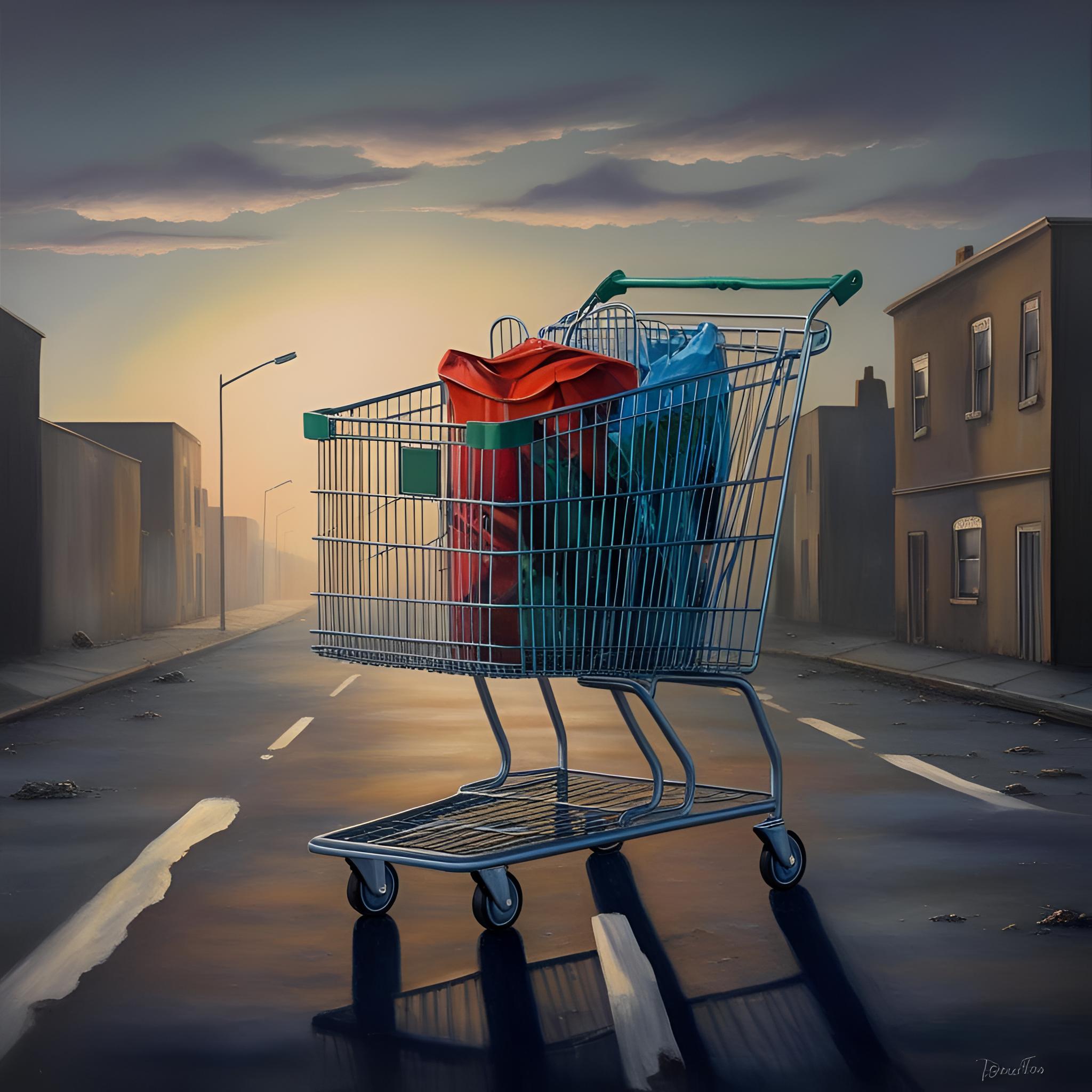
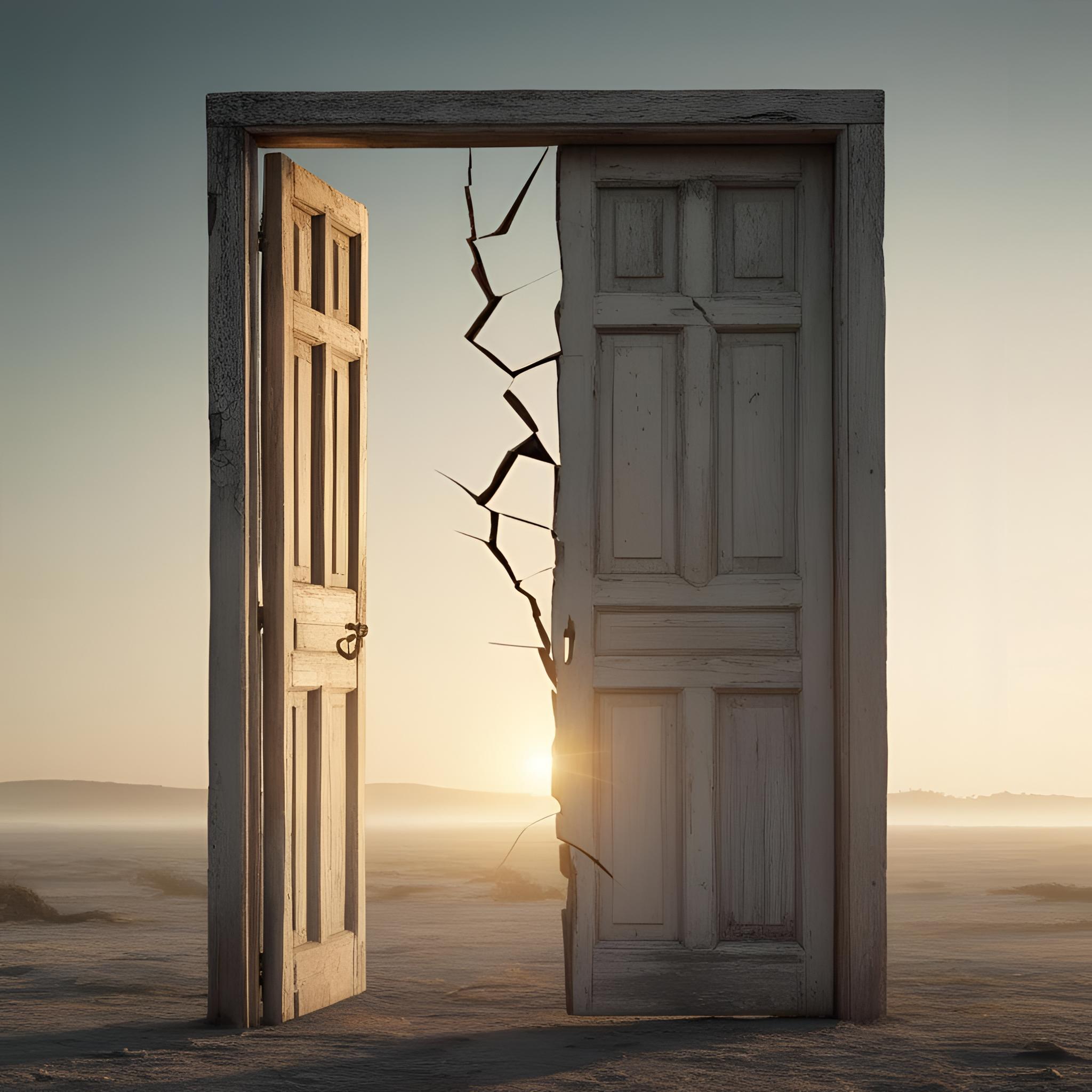
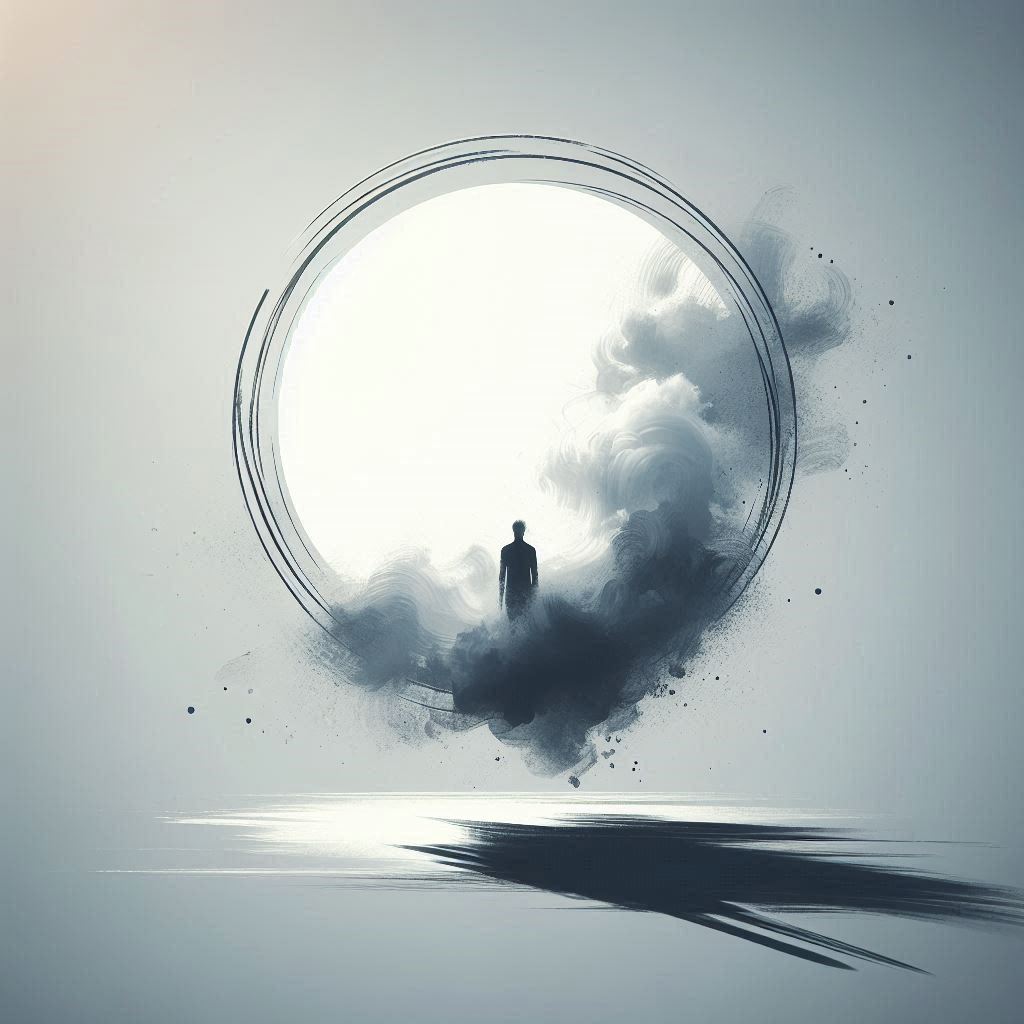
Illness rearranges a person long before it rearranges their test results.
It does not begin with diagnosis, prognosis, or the sterile language of medicine. It begins with a shift so subtle that no instrument records it: the quiet collapse of certainty. The body, once obedient, becomes unpredictable. Familiar gestures grow foreign. The simplest actions demand negotiation. Something inside revolts, and the mind, which has always believed itself sovereign, suddenly finds itself governing unstable territory.
We like to speak about illness as a physical event. A malfunction. A measurable disturbance in tissue, chemistry, or structure. But the body is not an isolated machine. It is the stage upon which identity performs. When the stage cracks, the performance changes. When the stage collapses, the performance stops entirely. What remains is not the role a person has rehearsed for years, but the actor stripped of costume, lighting, and script.
Illness is not merely pain. It is exposure.
And exposure is revealing.
The Great Exhaustion of Pretending
A healthy person lives with surplus energy. That surplus funds everything invisible: politeness, restraint, patience, charm, diplomacy, emotional management. Civilisation runs on this hidden currency. We call it self-control, but it is more accurately energy directed toward performance.
To function socially is to perform constantly. Smile when tired. Listen when bored. Speak gently when irritated. Forgive small offences. Contain impulses. Adjust tone. Monitor expression. Maintain coherence between inner chaos and outer acceptability.
All of this is expensive.
Illness imposes austerity.
When the body is fighting inflammation, infection, degeneration, or chronic pain, it consumes vast amounts of energy simply maintaining biological survival. The surplus disappears. And when surplus disappears, performance becomes unsustainable.
The polite mask is not ripped away dramatically. It is abandoned, quietly, like a luxury item no longer affordable.
A person in pain does not have the strength to curate their personality.
They reveal it.
Why Some Become Radiant
There are people who, under illness, become unexpectedly luminous. Their bodies weaken, but their presence softens and deepens. They express gratitude easily. They notice tenderness in ordinary gestures. They respond to care with warmth rather than entitlement. They remain gentle even when frightened.
Observers often call this bravery or moral strength. But something more subtle is happening.
When illness strips away distraction, attention condenses. Life becomes immediate. Time becomes textured. Small kindnesses become enormous. The person who was previously moving quickly through existence now experiences it slowly, intimately. Sensation sharpens. Awareness heightens. Dependency teaches humility. Vulnerability dissolves illusions of self-sufficiency.
Some individuals respond to this with openness.
They discover that life, even when reduced, still contains moments of connection. They discover that receiving care is not humiliation but participation in a shared human condition. They discover that suffering links rather than isolates.
Their kindness is not performance. It is recognition.
They are not pretending to be good. They are encountering reality without a buffer, and reality reveals interdependence. They see clearly that survival is relational. That every breath is partially a gift. That existence itself is collaborative.
Gratitude, then, is not virtue signalling. It is an accurate perception.
Illness does not make them better people. It removes the distractions that previously prevented them from living according to the capacities they already possessed.
Why Others Harden
And then there are those who grow sharp.
Their suffering makes them hostile. They become demanding, suspicious, impatient, and sometimes cruel. They reject comfort, resent assistance, and interpret concern as intrusion. Their words carry edges. Their presence becomes heavy, tense, exhausting.
Observers often interpret this as a moral failure. As bitterness. As ugliness emerges.
But hardness is also a form of exposure.
Illness removes illusions of control. For some, this is intolerable. Their identity has been built upon autonomy, competence, strength, and self-direction. Dependency feels like annihilation. Vulnerability feels like humiliation. Loss of control feels like erasure of self.
They respond not with acceptance, but with defence.
Anger becomes armour. Irritability becomes boundary enforcement. Cruelty becomes an attempt to restore hierarchy where power has vanished. If they cannot control their body, they will control the emotional climate around them. If they cannot dominate their illness, they will dominate interactions.
Hostility is often fear refusing to admit itself.
Resentment is grief refusing to speak plainly.
What appears as moral ugliness may be psychological panic.
But exposure still occurs. The traits revealed are not new. They are long-standing strategies intensified by threat. Illness did not create the hardness. It removed the conditions that once kept it moderated.
The Energy Economy of Character
Human personality is partly a structure and partly a regulation. Structure refers to enduring tendencies. Regulation refers to how those tendencies are managed.
A person may possess anger but regulate it through social norms. A person may possess generosity but suppress it through caution. A person may possess fear but disguise it through competence.
Regulation requires energy.
Illness disrupts regulation first.
Imagine personality as a city at night, powered by electricity. When energy flows normally, lights remain on, traffic moves smoothly, and systems coordinate. When power fails, only essential functions continue. Everything decorative shuts down. What remains visible are the structures that function without external support.
Illness is a blackout.
What survives the blackout is what never depended on excess energy to exist.
That is what we call character under illness.
Time Changes Shape
Illness alters temporal perception. The healthy live forward. They plan, anticipate, project. The ill often live inward. Time thickens. Hours stretch. Attention loops around sensation. Waiting becomes central.
In extended waiting, reflection intensifies.
Some people meet themselves for the first time during illness. They confront fears they have avoided. They reconsider priorities. They re-evaluate relationships. They experience existential clarity. Life is no longer abstract. It is immediate, finite, fragile.
Others cannot tolerate this confrontation. They seek distraction, denial, or emotional numbing. Reflection becomes threatening rather than illuminating. Self-encounter feels like exposure to an unbearable truth.
Illness does not force growth. It forces confrontation. Growth is only one possible response.
Identity Without Utility
Modern societies measure value through productivity, contribution, visibility, and usefulness. Illness interrupts productivity. It suspends function. It removes individuals from the roles through which they derive identity.
Without roles, who remains?
Some discover that their sense of worth was never dependent on function. They continue to feel human even when inactive. They accept being rather than doing.
Others experience identity collapse. If they cannot produce, they believe they no longer deserve care. They experience shame. They experience worthlessness. They experience resentment toward those who continue functioning normally.
Pleasantness or hostility often reflects how a person answers one question:
Is my existence valuable even when I am not useful?
If the answer is yes, softness emerges. If the answer is no, suffering multiplies.
The Social Mirror Intensifies
Illness never occurs in a vacuum. It unfolds within relationships. The reactions of others shape the internal landscape of the ill person.
Compassion invites trust. Trust allows vulnerability. Vulnerability allows emotional honesty. Emotional honesty allows connection.
But condescension breeds defensiveness. Impatience breeds shame. Overprotection breeds suffocation. Neglect breeds bitterness.
The personality revealed under illness is partly self and partly reflection. People respond not only to internal pain but to the way others position them socially. Object of pity. Burden. Responsibility. Obligation. Hero. Survivor.
These labels carry psychological weight.
A person treated with dignity often behaves with dignity. A person treated as an inconvenience often behaves as resistance.
Illness reveals not only individual character but relational truth. It shows how love functions under strain. It shows how empathy behaves when effort is required. It exposes the emotional architecture of entire families.
Control and Meaning
Humans tolerate suffering better when they can assign meaning to it. Meaning provides narrative. Narrative provides structure. Structure reduces chaos.
Some interpret illness as a challenge, a transformation, or a teacher. Others interpret it as injustice, punishment, or random cruelty.
Meaning shapes emotional tone.
If suffering is meaningful, endurance becomes purposeful. If suffering is meaningless, endurance becomes torment.
The pleasant patient is often not less afraid. They are differently oriented. They place suffering within a framework that allows coherence.
The hostile patient often experiences suffering as a violation without explanation.
Meaning does not erase pain. It organises it.
Illness as Radical Honesty
A healthy life allows selective attention. We avoid mortality. We postpone reflection. We assume continuity.
Illness interrupts this avoidance.
The body becomes evidence that life is conditional. That control is partial. That permanence is an illusion. These truths exist always, but illness makes them undeniable.
Some respond with humility. Others respond with rebellion.
But no one responds with ignorance anymore.
Illness enforces realism.
Does Illness Reveal the “True Self”?
The idea that illness uncovers real identity is emotionally compelling. It feels intuitively correct. When performance collapses, authenticity appears.
But authenticity is not singular.
Human beings are plural. Each person contains competing tendencies. Compassion and resentment. Courage and fear. Patience and irritation. Generosity and self-protection. Different contexts activate different configurations.
Illness does not reveal one fixed essence. It amplifies whichever tendencies best serve psychological survival under threat.
For some, connection ensures survival. For others, control ensures survival. For others, withdrawal ensures survival.
What we see is not the pure self, but the self-reorganised around vulnerability.
Still, something essential becomes visible: which tendencies are most deeply rooted, most automatic, most resistant to exhaustion.
Those are closest to the structural core of personality.
Why Observers Care So Much
Witnessing illness unsettles healthy people because it previews their own future. Every hospital room is a rehearsal space for eventual fragility. Observers want reassurance that suffering produces nobility. That pain refines rather than degrades. That vulnerability reveals beauty rather than chaos.
When a sick person behaves kindly, observers feel comforted. Humanity appears redeemable. When a sick person behaves cruelly, observers feel threatened. If suffering does not ennoble, then nothing guarantees moral stability.
The ill person becomes a symbolic terrain upon which healthy people negotiate their beliefs about human nature.
Compassion Requires Accuracy
Understanding personality under illness demands precision. Not romanticisation. Not condemnation.
Some kindness is a genuine expansion of empathy. Some kindness is strategic compliance seeking approval. Some hostility is cruelty. Some hostility is terror. Some patience is wisdom. Some patience is an emotional shutdown.
Reality is layered.
To care ethically for the ill requires tolerance for complexity. A person may be admirable and unbearable simultaneously. Noble in one moment, petty in another. Illness magnifies fluctuation. Energy varies hourly. Pain alters perception. Medication alters cognition. Fear alters interpretation.
Character is not static under physiological stress. It pulses.
The Silent Psychological Labour of Being Sick
Healthy people underestimate how much mental work illness demands. Monitoring symptoms. Interpreting sensations. Anticipating deterioration. Managing uncertainty. Negotiating hope and realism. Processing fear repeatedly.
Cognitive load is immense.
Under high cognitive load, emotional regulation weakens. Irritability increases. Patience decreases. Social tolerance narrows.
Some unpleasant behaviour is not a revelation of moral darkness but a consequence of neurological overload.
Yet again, illness does not create entirely new reactions. It intensifies baseline thresholds. A patient with high tolerance for ambiguity remains relatively calm. A patient who historically struggles with uncertainty becomes highly distressed.
Patterns persist. Pressure amplifies them.
The Strange Gift of Dependence
Dependence is socially stigmatised. Yet dependence is fundamental to human life from birth to death. Illness restores awareness of this continuity.
Some embrace dependence as relational truth. Others experience it as a regression.
The ability to receive care gracefully is not a weakness. It is a developmental achievement requiring trust, self-acceptance, and emotional flexibility.
Those who possess these capacities often appear serene under illness. Those who do not experience dependence as a threat to identity.
The difference is not moral superiority. It is a psychological infrastructure built long before illness arrived.
What Illness Ultimately Does
It reduces distance.
Distance between self and body.
Distance between self and mortality.
Distance between self and others.
Distance between intention and expression.
Distance between identity and behaviour.
Compression occurs.
When distance vanishes, truth becomes difficult to avoid.
Some truths are tender. Some are frightening. Some are deeply inconvenient.
But all are clarifying.
The Unmasked Human
Illness does not transform people into saints or monsters. It removes insulation. It reduces surplus. It compresses time. It heightens awareness. It exposes structural tendencies. It magnifies coping strategies. It reveals relational patterns. It confronts identity with fragility.
Pleasantness under illness is not proof of moral perfection. Hostility is not proof of moral failure. Both are forms of adaptation shaped by lifelong psychological architecture meeting biological crisis.
What illness truly reveals is not a single hidden self, but the hierarchy of what remains when energy disappears.
What survives exhaustion is what is most deeply built.
When the body can no longer support performance, personality rests on its foundations. Some foundations are soft and relational. Some are rigid and defensive. Some are fractured. Some are resilient.
Illness is the moment when construction ends, and structure alone must bear weight.
And that structure, finally visible, is what we have always been carrying quietly beneath the surface of ordinary health.
The body breaks.
The self stands, trembling, unadorned, unmistakably real.
You might want to read more about:
The Hysterical Truth About Truth
AI Learning and Ethics: What AI Actually Does When It “Learns”
Subscribe
The Inner Orbit
We value your trust!
Your address is safe in the vault.
We’ll only use it to send you letters worth opening; no spells, no spam, no secret salesmen.