There are many dramatic origin stories for writers.
Some claim childhood trauma.
Some claim divine inspiration.
Some claim a mysterious teacher who “recognised their gift.”
All very cinematic. All very flattering.
Mine involves rain that stubbornly refused to behave.
The Kingdom of Books
I grew up in a time when boredom had teeth.
No internet.
No glowing rectangle in the pocket whispering endless distractions.
If you wanted to travel, you either boarded a train… or opened a book.
Books were the cheapest passport ever invented.
And I used mine recklessly.
French classics first. Then English. German. Russian. Anything that carried the promise of distance. Jules Verne opened the door, then Victor Hugo, then Stevenson, then Dostoevsky, then whoever else happened to be waiting on dusty shelves like conspirators.
By the time other children were learning the geography of their town, I was crossing oceans before dinner.
Books were not entertainment. They were infrastructure. They built the world in my head.
And that world had certain rules.
The desert was merciless.
The ocean was majestic.
London was foggy.
Paris was romantic.
And the tropics?
The tropics had rain.
Not ordinary rain. Not the polite drizzle that wanders across European afternoons like a bored guest.
No.
Tropical rain arrived with drama. Writers described it with the enthusiasm of opera singers.
The sky did not simply rain. It collapsed.
Water fell like curtains. Like avalanches. Like the entire ocean had suddenly remembered gravity.
Palm leaves trembled. Rivers overflowed. The jungle breathed like some ancient creature waking from sleep.
Heroes ran through it. Lovers kissed in it. Explorers survived it.
Tropical rain was not the weather.
It was literature.
The Great Repetition
There is a curious law in storytelling.
If one writer describes something beautifully, ten others will repeat it.
If ten repeat it, a hundred will believe it.
If a hundred believe it, it becomes truth.
Every adventure novel seemed to contain the same moment.
The hero arrives in the jungle.
The air grows heavy.
The sky darkens.
Then the famous sentence appears:
“And suddenly the tropical rain began.”
It was never casual. Never apologetic.
Tropical rain entered the stage like a celebrity.
I read this scene dozens of times. Then hundreds.
Different authors. Different countries. Same rain.
And because I was a child, my brain did what children’s brains do best.
It believed everything.
In my imagination, tropical rain became something close to supernatural.
A storm that washed the world clean.
A storm that could change a person.
A storm worthy of literature.
The Long Wait
Years passed.
Childhood stretched into adulthood the way rivers stretch into oceans.
Life introduced its usual complications: responsibilities, expectations, the quiet realisation that the world is both larger and less magical than books suggested.
But the old images never entirely disappear.
They hide in the background like old photographs.
Then one day, an opportunity appeared.
A trip to the Caribbean.
Suddenly, the geography of my childhood adventures appeared on an airline ticket.
Palm trees. Warm seas. Tropical skies.
And somewhere above those skies, I imagined it waiting.
The rain.
Not just rain.
The rain.
Arrival
The Caribbean in November smells like warmth.
Not metaphorical warmth. Actual warmth.
Salt. Humidity. Flowers that bloom with suspicious enthusiasm.
The air sits on your shoulders like a friendly but slightly sweaty hand.
I stepped off the plane with the quiet excitement of a child returning to a long-promised carnival.
This was it.
The stage where all those stories had unfolded.
The jungle, the sea, the clouds, heavy with literary tradition.
Somewhere up there, surely, the sky was preparing its famous performance.
I waited.
The First Storm
It arrived three days later.
The sky darkened. The air thickened.
Palm leaves began their dramatic whispering.
I recognised the signs immediately.
This was it.
The moment that had travelled through centuries of novels.
The legendary tropical rain.
Then the clouds opened.
Water fell.
Not politely.
Not timidly.
It was raining heavily. Serious rain. A confident downpour.
I stood there watching.
Then I waited for the second act.
Because surely something more was coming.
The books had promised drama. Thunder. Biblical intensity.
Instead, the rain behaved like rain.
It fell.
It soaked the streets.
It splashed into puddles.
Then, after a while, it stopped.
The sky cleared with the emotional depth of a bored actor leaving the stage.
The tropical rain had completed its performance.
It lasted perhaps fifteen minutes.
Suspicion
At first, I assumed bad luck.
Perhaps that storm had been… average.
Perhaps the real tropical rain was still preparing backstage.
So I waited.
Day four.
Day seven.
Day twelve.
Occasionally, the clouds repeated the same trick.
Rain arrived energetically, made a respectable amount of noise, then wandered off.
Perfectly competent weather.
But nothing like the literary spectacle I had been promised.
Three weeks passed.
Three weeks of waiting for the rain that had once shaken jungles in a thousand novels.
It never arrived.
The Small Crack
This is the moment when something interesting happened.
Disappointment would have been the normal reaction.
But disappointment is lazy.
Instead, curiosity appeared.
Why had every book described the same dramatic rain?
Why had so many writers repeated the same imagery?
Were they exaggerating?
Borrowing from each other?
Recycling a tradition older than themselves?
The question grew like a crack in glass.
And once a crack appears, the whole surface begins to reveal its structure.
The Machinery
Stories are machines.
Beautiful machines, sometimes. But machines nonetheless.
They run on components.
Atmosphere. Conflict. Symbolism.
Rain is extremely useful.
Rain can represent danger.
Rain can represent cleansing.
Rain can represent rebirth.
If your hero must confront the jungle, rain makes the jungle alive.
If lovers must reunite, rain makes the moment cinematic.
If a character must suffer, rain provides dramatic lighting.
So writers use rain the way painters use colour.
They exaggerate.
They polish.
They repeat.
And because writers read other writers, the same imagery travels through generations like an heirloom.
One vivid description becomes tradition.
Tradition becomes expectation.
Expectation becomes truth.
By the time a reader arrives, the myth is already fully assembled.
The Tourist and the Myth
Standing there in the Caribbean rain, I realised something quietly absurd.
A large portion of world literature had convinced a child that tropical rain was a mythical phenomenon.
That child had grown up.
Then travelled thousands of kilometres to observe it personally, only to discover that the clouds had never agreed to the script.
The sky had not read the books.
It had simply continued doing what skies always do.
Producing weather.
The entire literary tradition had accidentally organised a small practical joke.
The Shift
Something changed that afternoon.
Until that moment, I had always read stories from inside them.
The hero ran.
The jungle breathed.
The storm raged.
But now I was standing outside the story.
Looking at the construction.
The gears.
The repetition.
The quiet agreements between writers across centuries.
And suddenly the illusion didn’t break.
It expanded.
Because once you see the machinery, you realise something astonishing.
The world inside books is not discovered.
It is built.
And anyone who understands the tools can build one too.
The Writer Appears
The transformation is subtle.
There is no ceremony.
No official document declaring: Congratulations, you are now a writer.
Instead, a small thought appears.
What if I described the rain differently?
What if the rain in my story is ordinary?
What if the traveller waits weeks for a legendary storm that never arrives?
What if the real discovery is not the rain… but the myth surrounding it?
Suddenly, the experience that seemed disappointing becomes valuable.
Because it contains something literature often forgets.
Reality.
Not the dull reality people complain about.
But the strange, ironic reality where expectations collapse in quiet ways.
Where myths wobble slightly when you tap them.
Where a person crosses an ocean chasing a storm invented by novelists.
The Irony
Irony is the writer’s secret oxygen.
Reality constantly produces situations more interesting than fiction.
A man travels across the world to observe legendary rain.
The rain refuses to cooperate.
Instead of witnessing the storm, he witnesses the myth.
That is a better story than the storm itself.
Because storms end.
But myths?
Myths travel forever.
The Library Returns
Back home, the books looked slightly different.
The same shelves. The same titles.
But now every page contained hidden fingerprints.
Here was the borrowed metaphor.
Here was the inherited description.
Here was the dramatic storm that passed from author to author like a family recipe.
None of it was dishonest.
Writers are not meteorologists.
They are illusionists.
Their job is not to document the sky.
Their job is to make the reader feel something powerful while imagining it.
And for a child sitting quietly with a book, those illusions work beautifully.
They open continents.
They ignite curiosity.
They even send people across oceans to inspect clouds.
Which, if you think about it, is a remarkable achievement for a few lines of ink.
The Quiet Gratitude
The rain never delivered the spectacle I expected.
But it delivered something better.
It showed me the backstage of storytelling.
Once you see that backstage, writing becomes possible.
Not easy. Not glamorous.
But possible.
You begin noticing patterns.
The overused metaphors.
The romantic exaggerations.
The little traditions that drift through literature like pollen.
And then you begin asking the most dangerous question in art.
What if I did it differently?
The Real Storm
Years later, I sometimes think about that Caribbean sky.
The clouds. The brief downpours.
The weeks of waiting.
The quiet moment when suspicion turned into insight.
It would have been easier if the legendary rain had appeared.
If thunder had cracked and water had fallen like oceans collapsing.
I would have applauded the spectacle.
Taken photographs.
Returned home satisfied.
But the sky refused to cooperate.
And because it refused, the illusion cracked.
Inside that crack, a writer quietly appeared.
The Moral, If One Is Needed
Stories often try to end with wisdom.
A neat lesson tied like a ribbon.
Reality rarely offers such elegance.
But if this story has a lesson, it might be this:
The world is not obligated to behave like literature.
And that is fortunate.
Because if reality always matched the myth, writers would have nothing left to discover.
Sometimes the most valuable moments arrive disguised as small disappointments.
A storm that fails to impress.
A myth that refuses to materialise.
A traveller standing under ordinary rain, suddenly noticing the invisible machinery of stories.
From that moment forward, the reader changes.
The books still matter.
But now the reader has seen the gears.
And once you see the gears, something dangerous happens.
You start building your own machines.
And that, quite absurdly, is how a slightly underwhelming Caribbean rainstorm helped manufacture a writer.
Not through thunder.
Not through revelation.
Just through a quiet realisation that the sky had never signed a contract with literature in the first place.
Before you go, explore these related ideas:
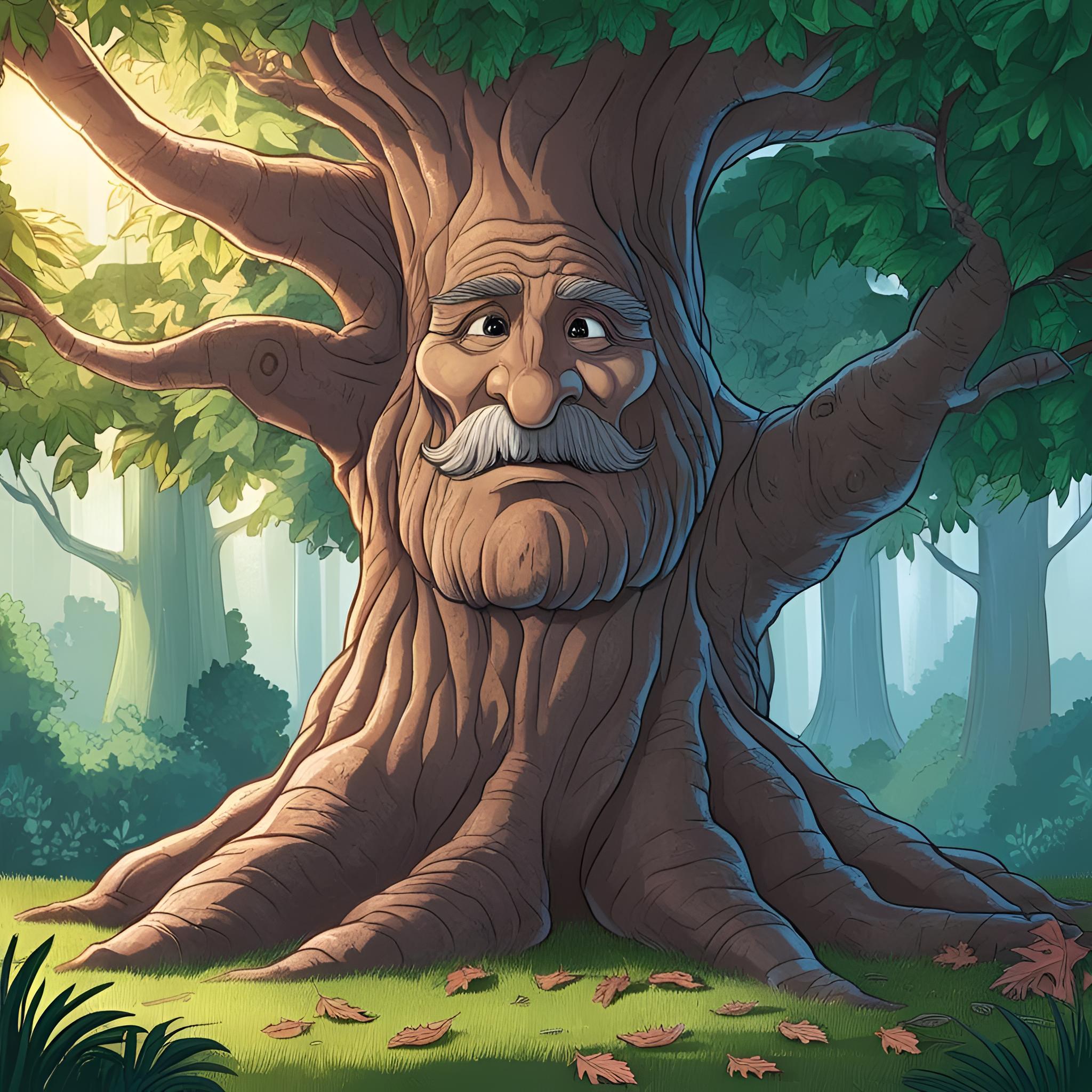
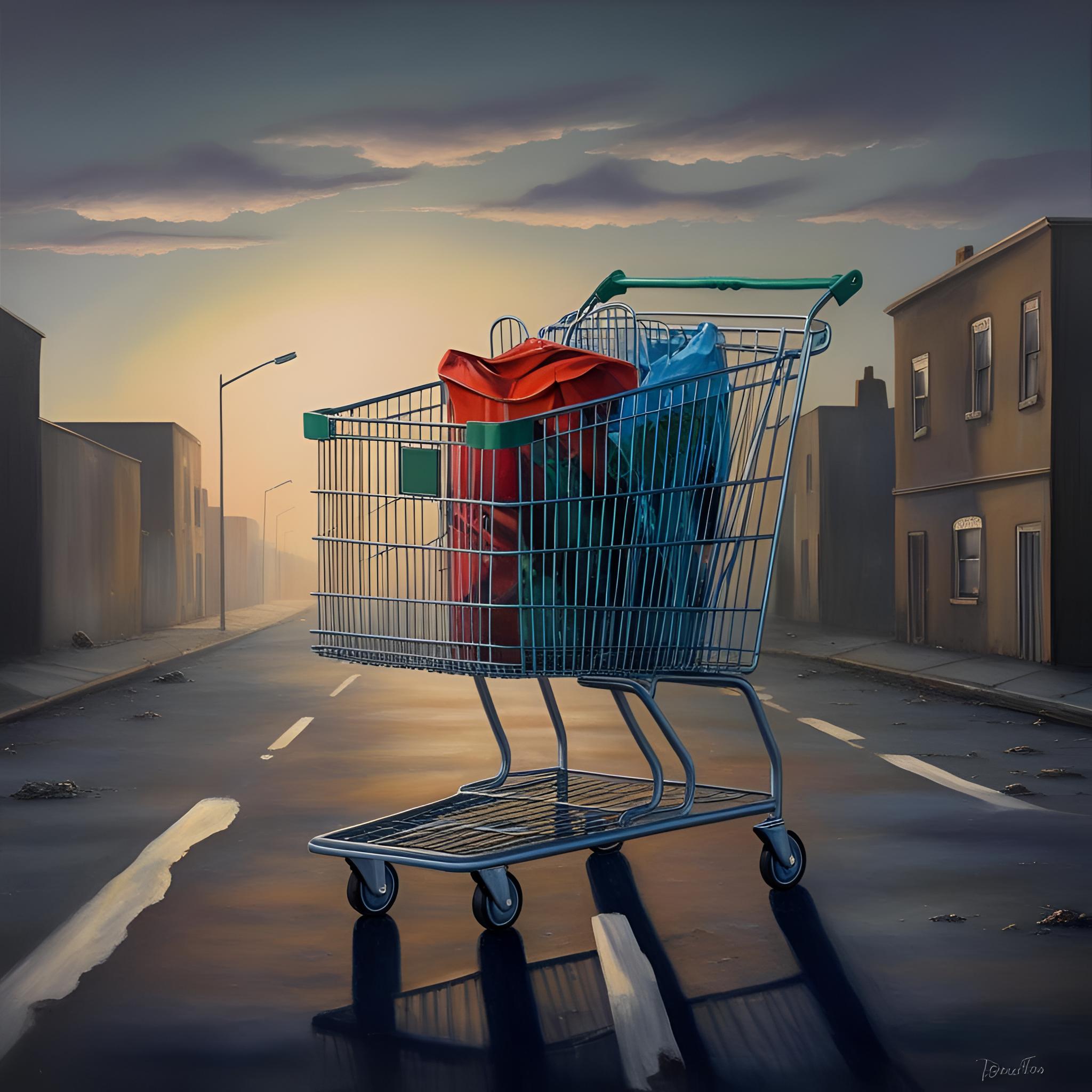
Disclaimer: Featured image generated with AI.
A quiet chamber behind the visible world.
We value your trust!
Your address is safe in the vault.
We’ll only use it to send you letters worth opening; no spells, no spam, no secret salesmen.