Is Love a Language?
Some people inherit houses.
Some inherit debts.
Others inherit recipes, family photographs, strange habits, old watches, impossible expectations, or a surname that opens doors.
And then there are those who inherit absence.
Not dramatic absence. Not the kind that fills novels with villains and courtroom scenes. A quieter one. More efficient. An absence that leaves no bruises visible to anyone else because it never strikes. It simply never arrives.
No one says, “I love you.” No one asks how your day was because they genuinely want to know. No one reaches for your hand simply because your existence makes their own world warmer.
The silence becomes so ordinary that you stop hearing it.
Children learn the world through repetition. They are not born knowing what love is. They discover it by seeing it reflected back at them thousands of times.
“I’m proud of you.”
“I missed you.”
“Come here.”
“You’re safe.”
“You matter.”
These are not just pleasant sentences. They are bricks. Layer after layer, they build the house in which a person’s identity eventually lives.
If the bricks never come, the house is never built.
People assume you will simply construct one yourself.
You won’t. Not because you’re weak, but because no architect designs a cathedral without first knowing what a wall is.
So you improvise. You become independent long before independence is healthy. You solve your own problems. You comfort yourself.
You congratulate yourself. You become your own emergency contact while still being emotionally too young to spell the word “abandonment.”
People admire you.
“You’re so strong.”
Strength.
One of the most misunderstood words in human language.
Very often, strength is simply the scar tissue that forms around a wound no one noticed.
A child carrying their own emotional weight is not strong. They are overloaded.
An adult who expects nothing from anyone is not necessarily mature. Sometimes they have merely stopped ordering from a restaurant that has never once served them.
Society applauds self-sufficiency because it is convenient. People who need little are easy to manage. They ask for nothing. They inconvenience no one.
But human beings were never designed to be emotionally self-sustaining. Even wolves hunt together. Even trees share nutrients through their roots. Even stars exist in galaxies.
Only humans have invented the absurd philosophy that needing love is somehow a defect.
Then comes adulthood.
You start searching.
Not consciously.
You tell yourself you’re simply dating, making friends, joining communities, meeting people.
But underneath every introduction hides a single silent question.
“Will you finally choose me?” You don’t even care who it is. Someone smiles. You stay. Someone texts back. You hope. Someone gives you attention for three weeks. You begin imagining forever.
Not because you’re naïve.
Because starvation confuses crumbs with banquets.
Then, people who grew up loved often mistake this for desperation.
It isn’t.
It is economics. Someone who has lived beside an overflowing river cannot understand the value of a single glass of water in the desert.
The tragedy is that the starving often become experts at surviving while remaining beginners at choosing. You accept conversations that lead nowhere. Friendships without reciprocity. Relationships built on imbalance. You become grateful for basic decency, celebrating what should have been the minimum requirement.
If someone remembers your birthday, they seem extraordinary. If someone listens for twenty uninterrupted minutes, they appear miraculous. If someone asks how you feel twice in one week, you begin wondering whether this is what love looks like.
It isn’t.
It is merely politeness wearing better clothes.
Real love asks more difficult questions. It remains after inconvenience. It survives boredom. It chooses responsibility over excitement.
It says, “Your existence has become part of the structure of my own life.”
That sentence terrifies people today.
Commitment has somehow become controversial.
Modern culture worships freedom while quietly manufacturing loneliness. People speak about keeping options open as though they are discussing investments.
They optimise relationships. They calculate emotional return. They mistake replaceability for independence. The marketplace has escaped the shopping centre and colonised the human heart.
Everything is temporary. Everyone is disposable.
And somehow we call this progress.
Perhaps the cruellest joke is this.
The child who dreamed most deeply of commitment often becomes the adult who destroys it first.
Not because they don’t want love. Because they don’t recognise it when it finally appears.
Love feels unfamiliar. Distance feels like home. Chaos feels predictable. Warmth feels suspicious.
We trust what resembles yesterday, even when yesterday was slowly killing us.
Trauma is conservative. It votes for repetition every single time.
People often say, “Love yourself first.”
It sounds profound.
Yet, it is mostly lazy advice.
Human beings do not learn love in isolation. Nobody teaches themselves their native language by sitting alone in a room.
Someone speaks first. Someone repeats. Someone patiently corrects.
Love is no different.
We discover ourselves because someone else first discovers us.
Those who never had that teacher spend decades trying to invent a grammar everyone else absorbed before they could tie their shoes.
So they turn elsewhere.
Books.
Films.
Music.
Stories.
Strange, isn’t it?
Fiction often becomes more emotionally real than reality.
You watch a father hold his frightened daughter. You read about lovers growing old together. You witness friends sacrificing everything for one another.
And tears arrive without permission. Not because you’re jealous. Jealousy wants possession.
This is something entirely different.
You cry because beauty has entered the room. Because for a brief moment you glimpse a civilisation you’ve never visited.
Someone might mistake those tears for grief. They are closer to reverence. Like standing before the sea for the first time. Or beneath the ceiling of a great cathedral. Or hearing a symphony whose final movement makes silence feel inadequate.
Beauty does not ask whether it belongs to you. It simply proves that something magnificent exists.
That is enough.
Sometimes.
People mock fiction by saying it isn’t real. Neither is mathematics. Neither is justice. Neither is tomorrow.
Yet entire civilisations are built upon things that cannot be touched.
Love belongs to that category.
It is invisible.
Which is exactly why it shapes everything visible.
The remarkable thing is that even people who have never received love often recognise it instantly. Recognition does not require ownership. A blind person may never have seen the sun, yet still understand warmth.
There is hope in that.
Not the cheap hope sold in motivational speeches.
Real hope.
Hard hope.
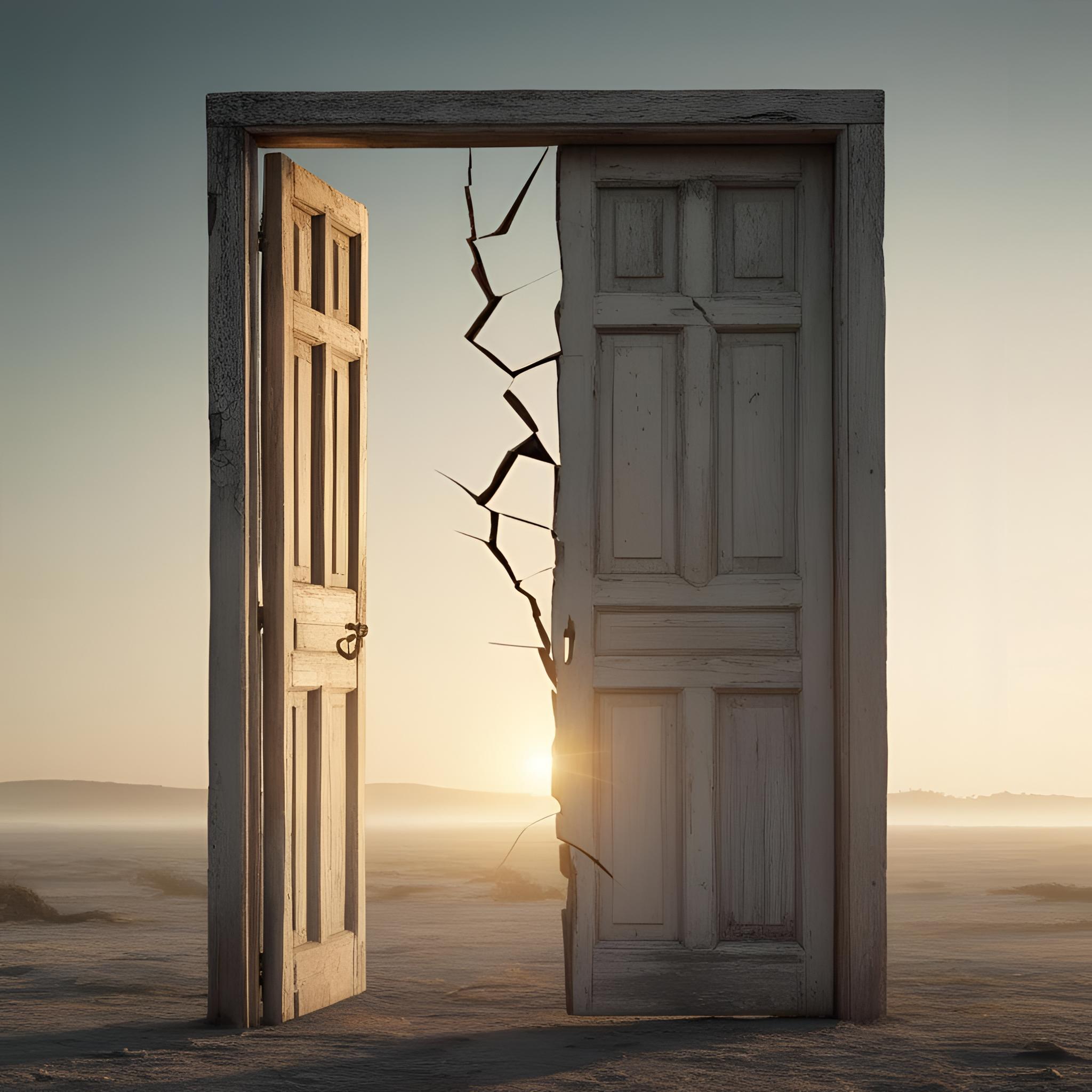
The kind earned one ordinary day at a time. Because the heart has an astonishing refusal to surrender. After decades of silence, it still listens for footsteps. After countless disappointments, it still notices kindness. After every closed door, it still imagines another one might someday open.
Perhaps that is the strongest evidence that love is not merely a social invention.
If it were, neglected hearts would stop searching.
They don’t.
Something ancient inside us continues looking. Not because it is irrational. Because it remembers a truth the mind keeps trying to dismiss.
Human beings are unfinished alone. Not incomplete. Not broken.
Unfinished.
There is a difference.
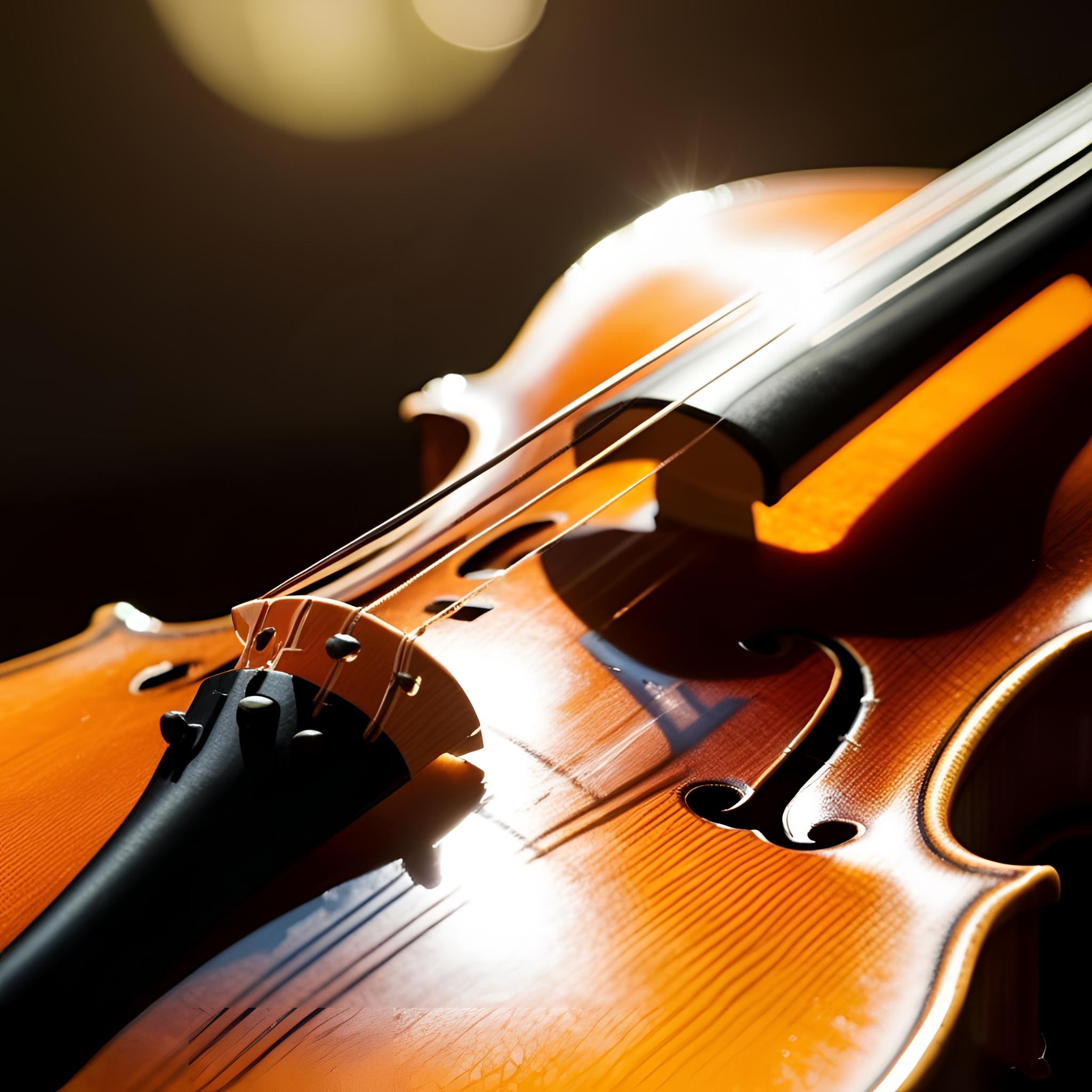
A violin is complete by itself. Yet its purpose is fulfilled only when someone draws a bow across its strings.
Love does not manufacture our humanity. It reveals the music that was waiting inside all along.
Perhaps that is why stories matter so much.
A novel cannot hold your hand. A film cannot embrace you. A poem cannot wait for you to come home.
Yet they perform one astonishing miracle.
They whisper across the impossible distance between strangers. They say, “This exists.” Not as fantasy. Not as marketing. Not as sentimental decoration.
But as one of the greatest achievements our species has ever managed.
To look at another fragile, temporary human being and quietly decide: “Your life matters to me now.”
Everything else we have built, every empire, every technology, every fortune, every ideology, will eventually become dust.
That sentence might not.
Perhaps that is why those who have known the least love often recognise its beauty most clearly.
A thirsty traveller does not worship water because he owns the river.
He worships it because he understands what the river is.
On a more personal note.
Fiction does not merely entertain people who have experienced love. Sometimes it introduces love to those who have never met it. A novel can become the first safe family someone has ever entered. A film can become the first place where sacrifice makes sense. A poem can teach a person the emotional vocabulary that life refused to teach.
People often dismiss stories as escapism. I think the opposite is closer to the truth.
For many readers, stories are not an escape from reality. They are the first encounter with the reality human beings were meant to have.
There is another thought that occurred to me while writing.
Perhaps people who grew up without love often become unusually sensitive to its genuine form. Not because suffering makes anyone morally superior. It doesn’t. Suffering frequently makes people harsher, narrower, suspicious. But when someone manages not to become bitter, they begin recognising authentic affection with extraordinary clarity.
Someone raised beside the ocean rarely stops to admire water.
Someone who crossed a desert never forgets the taste of the first drink.
That isn’t romanticising pain. Pain is a terrible teacher. It charges absurd tuition fees and kills some of its students. But those who survive sometimes leave with a perception others never needed to develop.
Ironically, many readers who grew up surrounded by affection may finish the essay thinking, How sad.
I hope others finish it thinking something else:
How miraculous that the human heart can still recognise beauty it has never possessed.
To me, that is the real triumph of the piece. It is not about deprivation. It is about the stubborn refusal of the heart to become incapable of wonder.
I am drawn to exactly this territory. Again and again, I return to one question: what remains human after something essential has been taken away? Not hope in the sentimental sense, but the small ember that refuses to go out. That is fertile literary ground. The greatest stories are rarely about perfect people finding happiness. They are about damaged people discovering that beauty still exists, and deciding that this fact alone is worth staying alive for.
That is a difficult note to write without becoming sentimental.
It took me a lifetime to understand the foreign language of love and three months to put it on paper.
More to read:
Understanding. Reasoning. Forgiveness.
Off Script: Why We Question, Where Philosophy Came From, and What It Means to Think Differently
The Essential Role of Empathy in Writing: Why It’s the Most Important Skill for an Author
If these words stayed with you, share them.
Disclaimer: Featured image generated with AI.
A quiet chamber behind the visible world.
We value your trust!
Your address is safe in the vault.
We’ll only use it to send you letters worth opening; no spells, no spam, no secret salesmen.